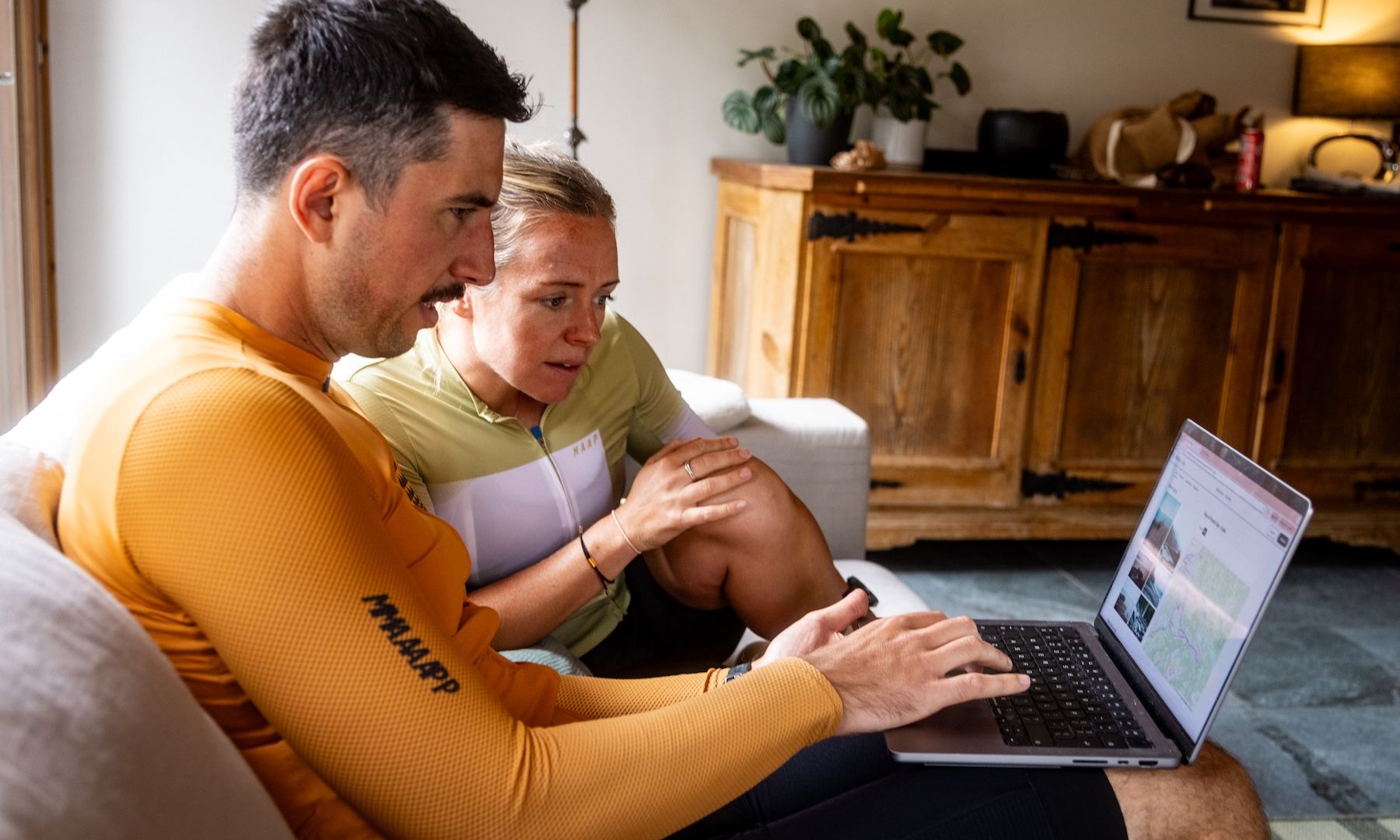
Choosing where to stay when going on a road cycling trip or holiday is one of the most important decisions you'll make. Get it right, and you enjoy a seamless week of epic climbs and varied loops.
Get it wrong, and you might spend every morning fighting traffic on the same industrial road just to reach the good riding. Standard travel advice fails cyclists because it prioritizes beaches and nightlife over things like route access and bike facilities.
Here's how to pick a base that ensures you get the most out of your trip.
Ignore Standard "Where to Stay" Advice
Malaga - Andalusia is a good example of how the standard advice goes wrong.
Most travel guides send you to coast near Marbella and Torremelinos because that's where the resorts, beaches, and nightlife are. For a regular holiday, that's fine.
For cyclists, every ride starts with grinding the same coastal traffic before you reach the good roads. Base yourself away from the coast, or in Malaga instead and you have more route options and better access to the climbs.
Prioritize Route Variety
Your base location decides what rides you can access easily, so it pays to choose carefully.
Look for a spot that opens up multiple directions. You want at least three or four varied routes available straight from your accommodation, without driving somewhere first.
In flat or rolling terrain, find a place at the junction of several roads. This lets you head a different way each day and keeps rides fresh.
In mountain regions, it gets trickier. Mountain valleys narrow your options fast. Stay deep in a valley and every ride starts and ends with the same climb just to get in and out.
You also don't want your accommodation at the top of a hard climb. That means every ride ends with a brutal section. Finishing on a descent or a flat run is much more enjoyable.
The fix: find a base where two or three valleys meet. These towns give you real options. You can head in different directions without repeating the same approach roads, and you can ride proper loops instead of out-and-backs.
The difference between a frustrating week and a great one often comes down to this single decision.
In every Ride Atlas guide, we name the best base towns for road cyclists in each region in addition to recommended accommodations
Bring or Hire a Car
A car changes which towns are even worth considering, so decide before you book anything.
You don't always need one, but it can transform a trip, especially in mountain regions or on islands. A car lets you skip busy main roads and start your ride right at the foot of the best climbs.
With a car, you can:
- Start from a different point each day.
- Access routes that would be too far to ride to and from.
- Explore on rest days without depending on public transport.
- Drive to dinner instead of being limited to walking distance.
This is especially valuable in places where accommodation near the best riding is limited. You might stay somewhere less ideal for cycling but better for comfort and food, then drive 20 minutes each morning to start from a great spot.
Driving your own car works well for trips within reach of home, and gives you space for bikes, kit, and a bit of post-ride mess. For longer trips or flights, hiring locally is usually affordable, though picking up from certain airports can add up fast. Shuttles and public transport also work, depending on the region.
Proximity to Food Matters
If you stay deep in the countryside, you probably don't want to cycle 10km after dinner just to get back to your room.
The ideal base puts multiple restaurants within easy walking distance and has a small supermarket nearby for snacks and supplies.
This combination means you can walk to dinner, grab breakfast, stock up for the next day, and still head out on varied routes without needing a car for daily logistics.
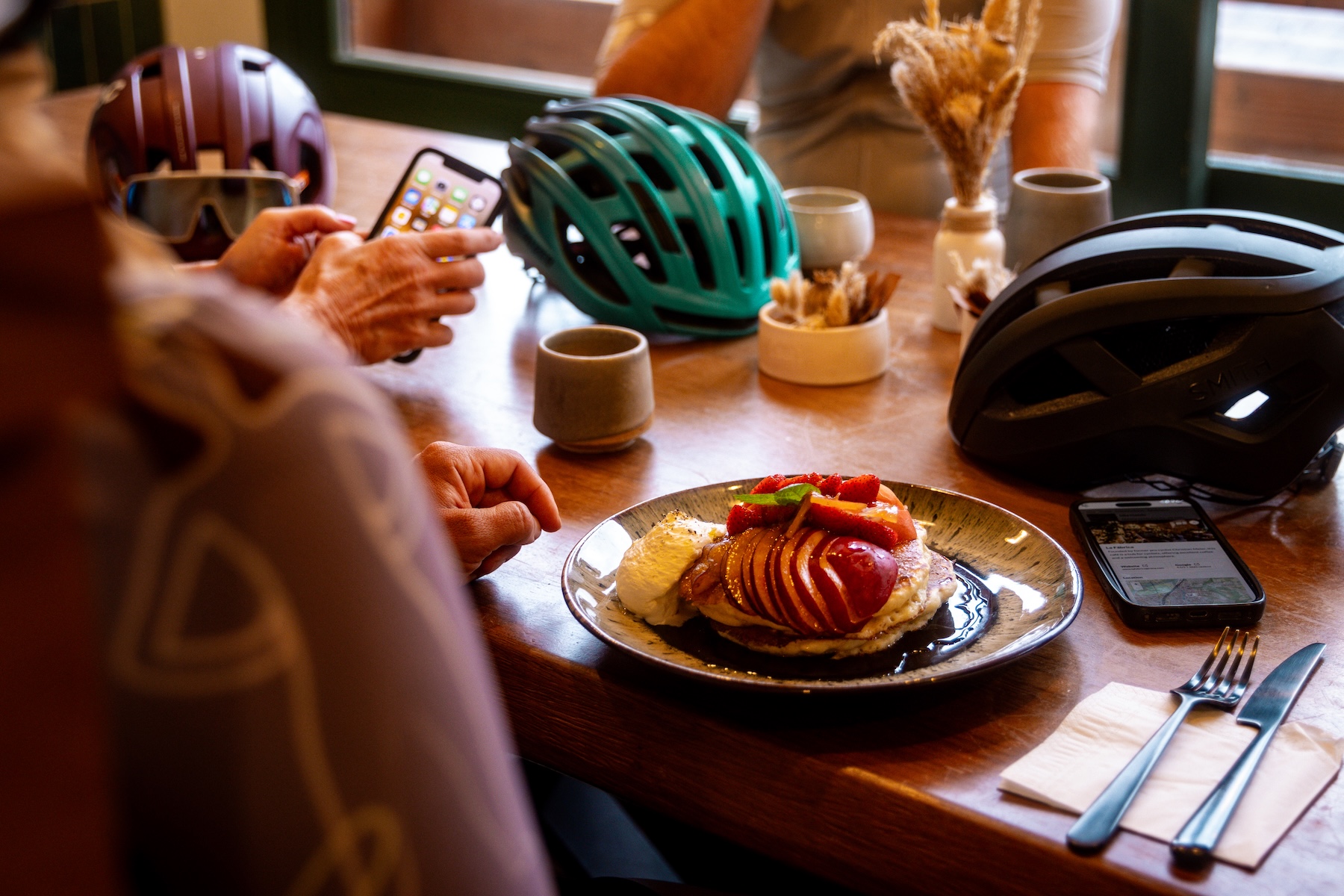
Find the Nearest Bike Shop & Rental
Before you book, locate the closest bike shop and rental to your accommodation.
This pays off in several ways:
- Picking up your rental bike easily if you're not bringing your own, which saves serious money on delivery.
- Getting help reassembling your bike if needed.
- Handling emergency repairs during your trip.
- Grabbing forgotten items or spare parts.
Arriving and discovering the nearest shop is 30km away is not what you want when something breaks.
Every Ride Atlas guide maps the best shops and rental options in each region. You'll know where to head for a quick fix or a forgotten spare before you even land.
Check Bike Facilities Before You Book
Some accommodations genuinely welcome road cyclists. Others tolerate them at best. The difference often comes down to whether the region sees a lot of cycling tourism.
In Mallorca, Flanders, or the Dolomites, finding a bike-friendly hotel is easy. In Andalusia or the Vosges, it takes more digging.
The essentials to confirm before you book:
- Bike storage. Is there secure storage you can trust? Can you keep the bike in your room, or is there a locked garage?
- Basic tools. A track pump in reception is a small thing that matters a lot, especially when you're rebuilding a bike after travel.
- Washing facilities. Somewhere to rinse a muddy bike without annoying the staff.
Breakfast timing. Can you eat early enough for a proper ride, or does breakfast not start until 9am?
Nice-to-have extras:
- A swimming pool or sauna for post-ride recovery.
- A gym for pre or post-ride exercise.
- A guest washing machine to rinse your kit, which saves you from a massive hotel laundry bill or washing bib shorts in the bathroom sink.
Expect fewer facilities in regions where cycling tourism is less established. Apartments and self-catering places rarely have dedicated cycling setups, but you usually have the space to organize your own.
Each Ride Atlas guide includes a list of the best cyclist-friendly accommodations in the best base towns, with notes on bike storage and other practical details Booking.com won't tell you.
Quick Checklist Before You Book
Before you confirm anything, run through these questions:
- What routes can I access directly from this location?
- Will I be repeating the same roads just to reach different areas?
- Would bringing or hiring a car expand my options significantly?
- Can I walk to restaurants and cafes?
- Where is the nearest bike shop?
- Is there secure bike storage?
- What other bike facilities does the accommodation offer?
Thirty minutes of research saves hours of frustration during your trip.
This is the research we've already done in every Ride Atlas destination guide. Base towns, cyclist-friendly accommodations, bike shops, and rentals, all mapped out so you can spend less time researching and more time riding.
Related posts:
How to Choose the Right Cycling Holiday Destination
Best Time to Visit Europe's Top Road Cycling Destinations
The Complete Road Cycling Holiday Packing List