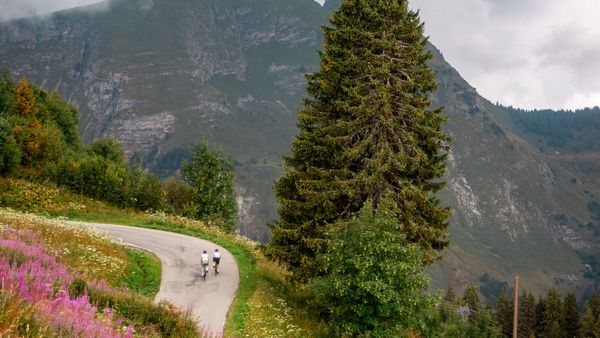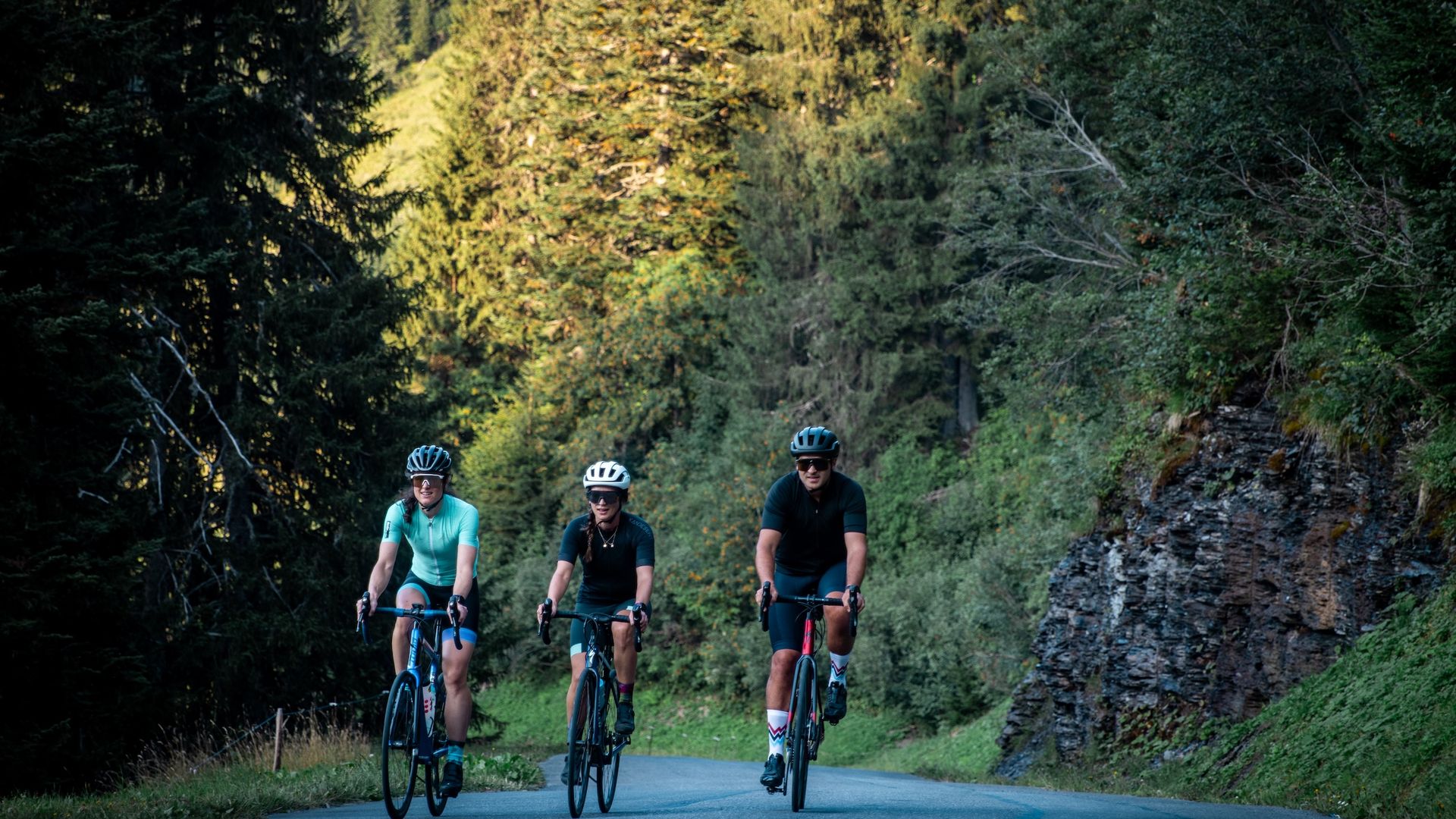
Search "best time to visit Mallorca" and you get tourist advice: go in summer, when it's warmest and everything is open.
For a road cyclist, that's poor advice. You'll ride in 30°C+ heat, share the road with peak-season rental cars and tour buses, and dodge pedestrians at every viewpoint.
Time your trip like a rider, not a tourist. That means weighing temperature against traffic, pass opening dates and daylight hours.
The Ideal Temperature Range
For most riders, the sweet spot sits between 17°C and 24°C (62°F to 75°F).
- Below 17°C: You're in kit management territory. Descents turn into an endurance test, and you stop constantly to add or remove layers.
- Above 24°C: You're managing heat, not just riding. Hydration becomes the priority, and finding shade for a mid-ride espresso becomes a tactical decision.
Flanders in April or a crisp, clear day in the Pyrenees can be spectacular. Still, aim for that 17-24°C window for your best rides.
Pro Tip: If your dates are already fixed, use the Destinations page to search by month. We rate every month for every destination from 1 to 5, so you can see which places score a 4 or 5 in your window.
Mediterranean Destinations: Skip High Summer
For Mallorca, southern Spain, and similar Mediterranean spots, tourist high season is your worst option. Go when the temperatures are lower and the crowds are smaller.
- Mallorca: Beachgoers arrive in July. Road cyclists own the island from March to May and again in September and October.
- Costa Blanca - Calpe: This is the pro peloton's winter home. Stick to February through May. By July, the heat pushes you into 6:00 AM starts.
- Girona & Andalusia: Summer regularly breaks 35°C. Aim for late March to May and you'll see the landscape in full bloom before the sun turns it brown.
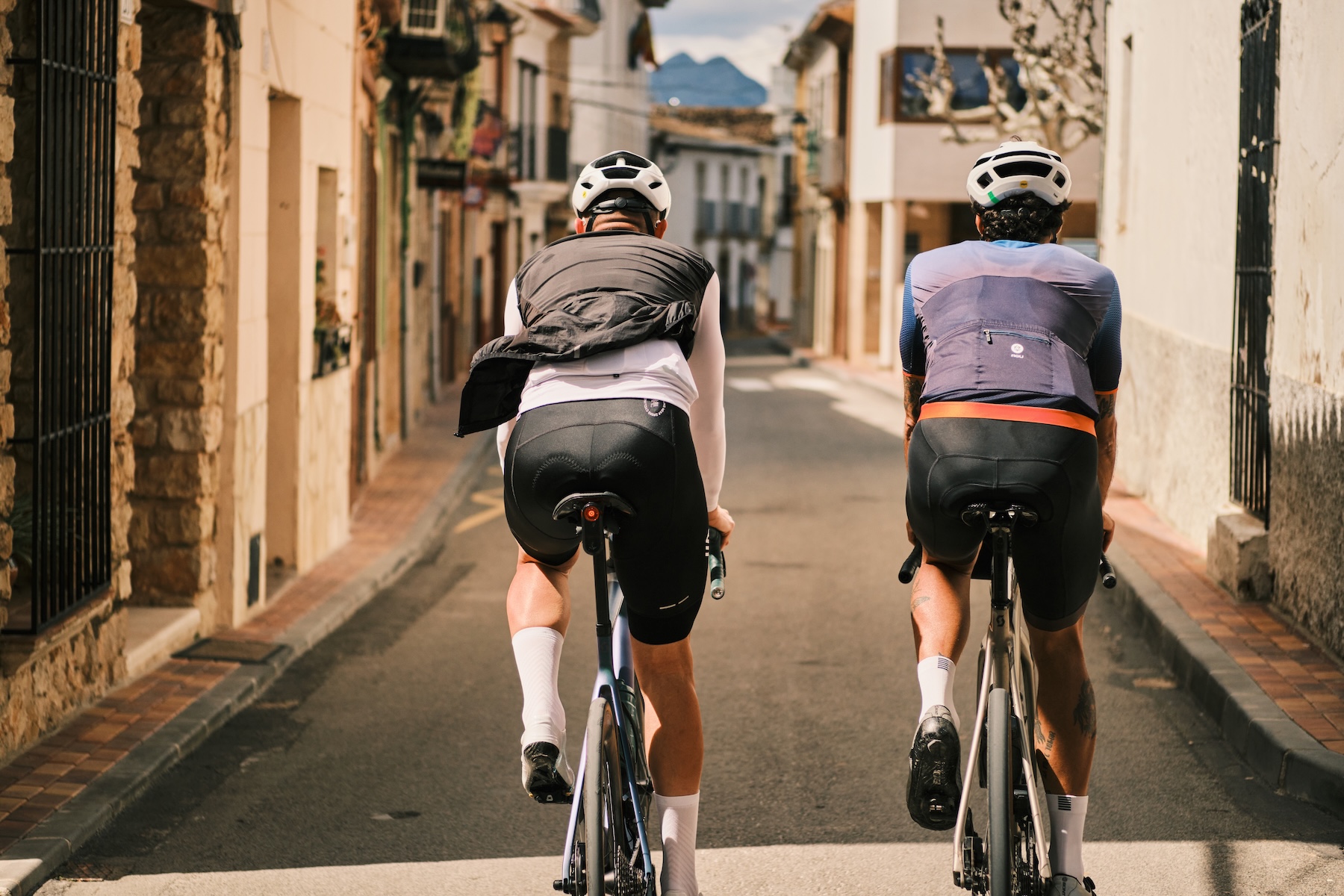
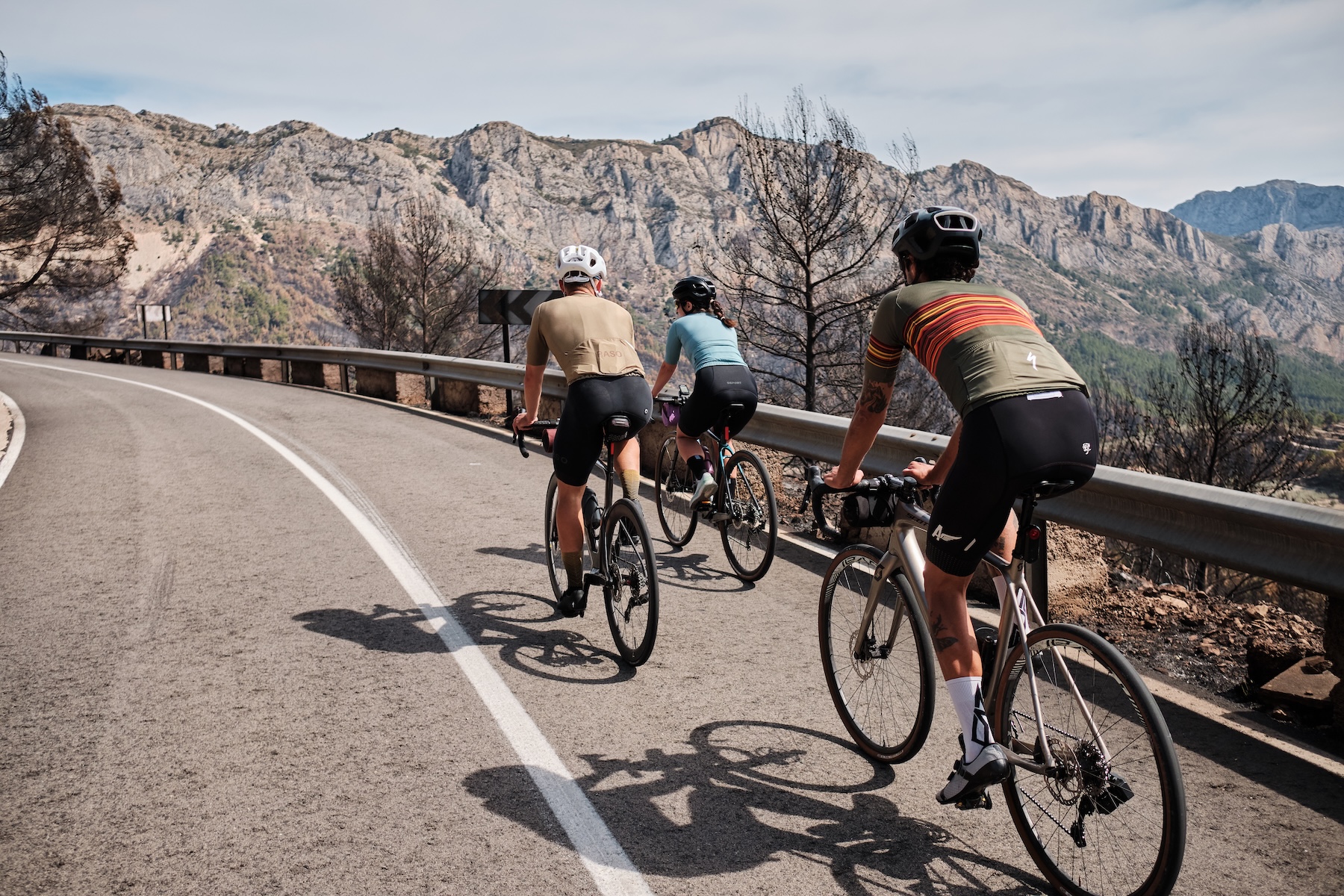
Mountain Destinations: Summer Works
High altitude destinations flip the script: here you want to ride in summer.
- French Alps & Pyrenees: High passes such as the Col du Galibier and the Tourmalet often stay blocked by snow until June. July and August are the best months, warm enough to enjoy 2,000m summits without freezing on the way down.
French Alps: Alpe d'Huez, Annecy
Pyrenees: Andorra, Basque Country - Dolomites & Livigno - Stelvio: These get more tourist traffic than the French Alps in August. Early June or September gives you a better balance of open roads and manageable traffic.
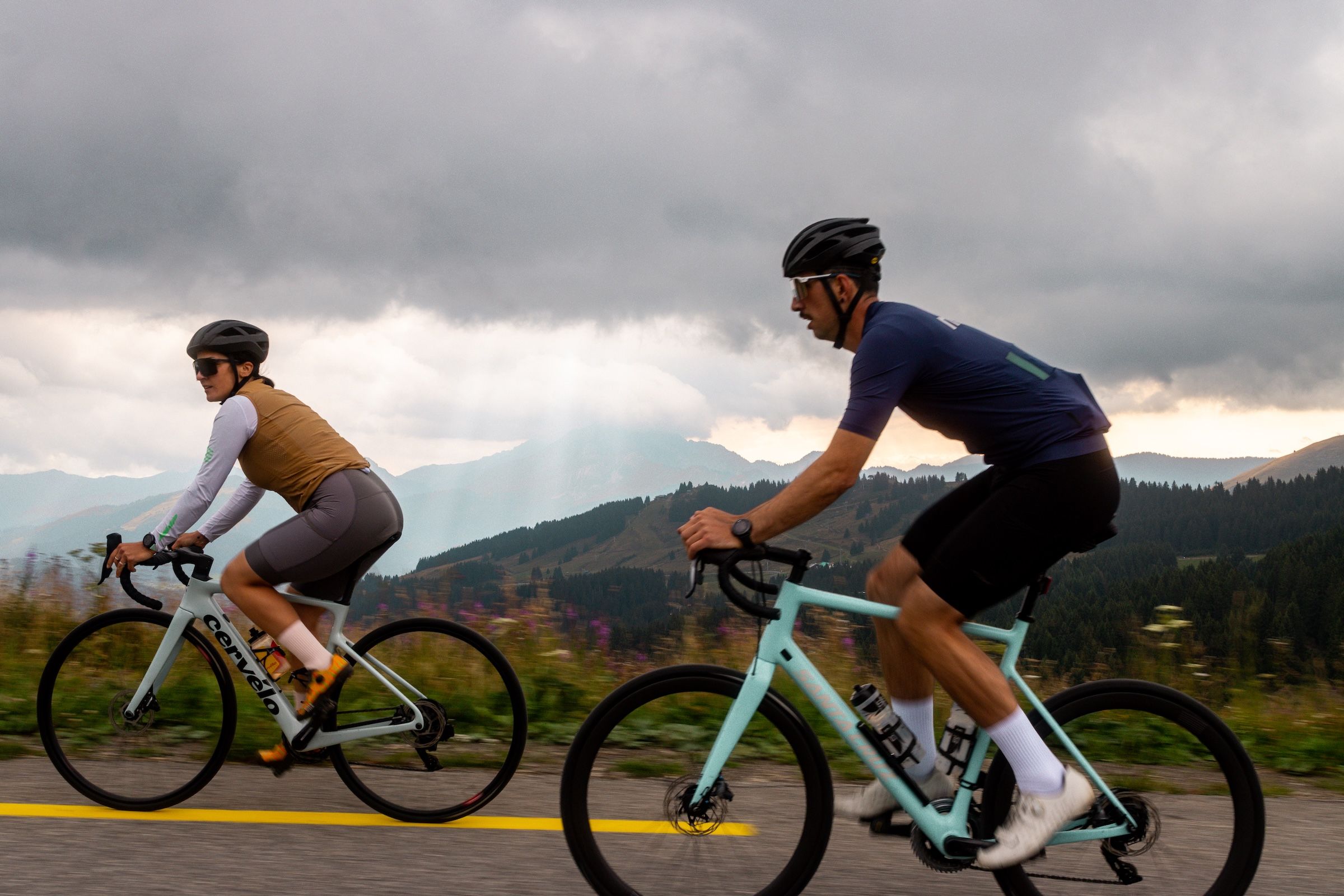
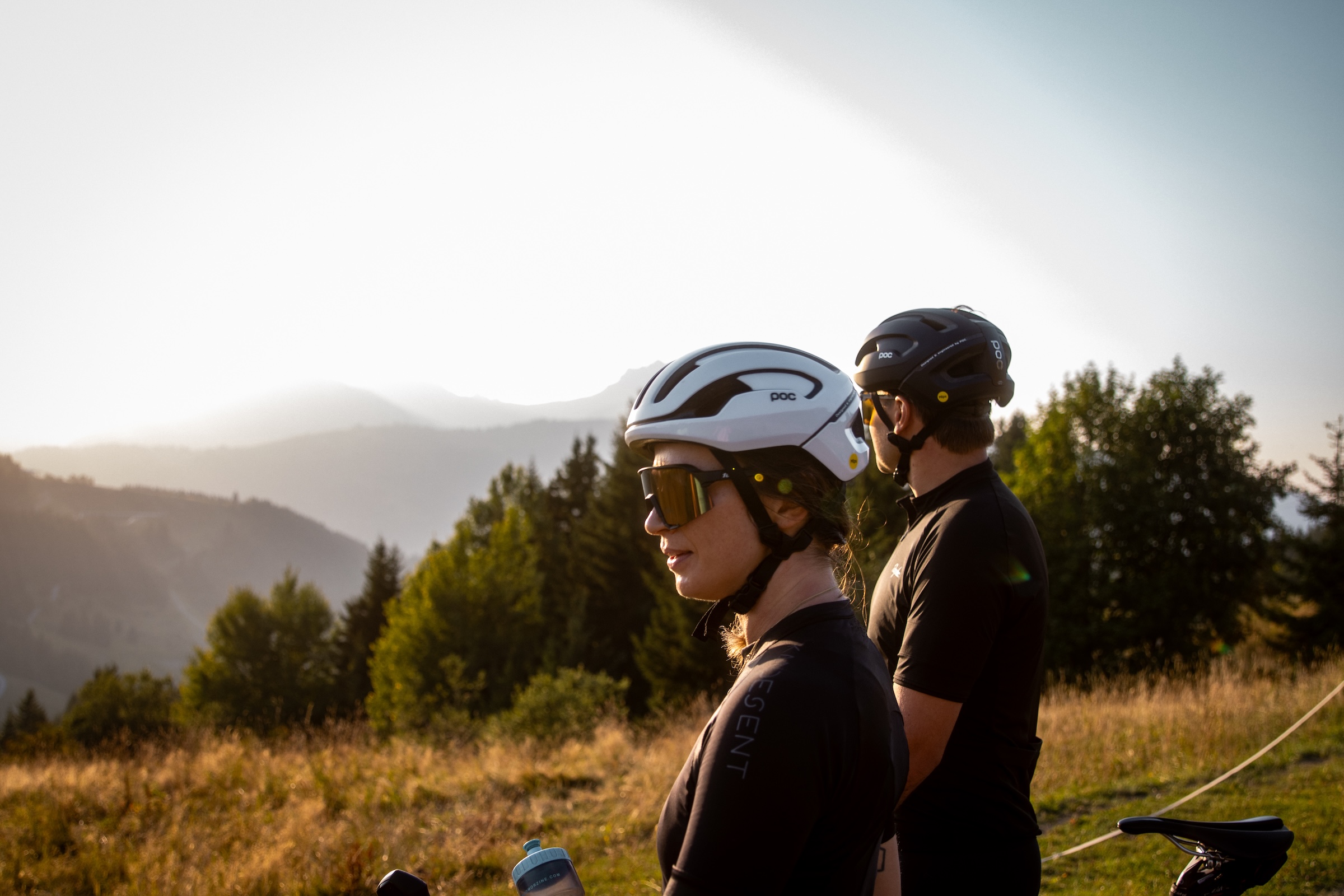
Here's the thing about mountain destinations in summer: despite peak season, the roads stay surprisingly quiet in the Alps and Pyrenees. Most tourists stick to valleys and viewpoints.
In summer, all the restaurants and mountain huts are open and the weather stays warm above 2,000m.
Northern & Central European Destinations: Embrace the Conditions
Northern Europe has different rules. Forget chasing the warm weather. Here, timing is about avoiding the occasional showers, storms and cold weather while catching the destinations at their most rewarding moment.
The good news is that these regions are far less seasonal than the Mediterranean. Roads stay rideable for longer, crowds rarely matter, and you don't need to squeeze your trip into a narrow window.
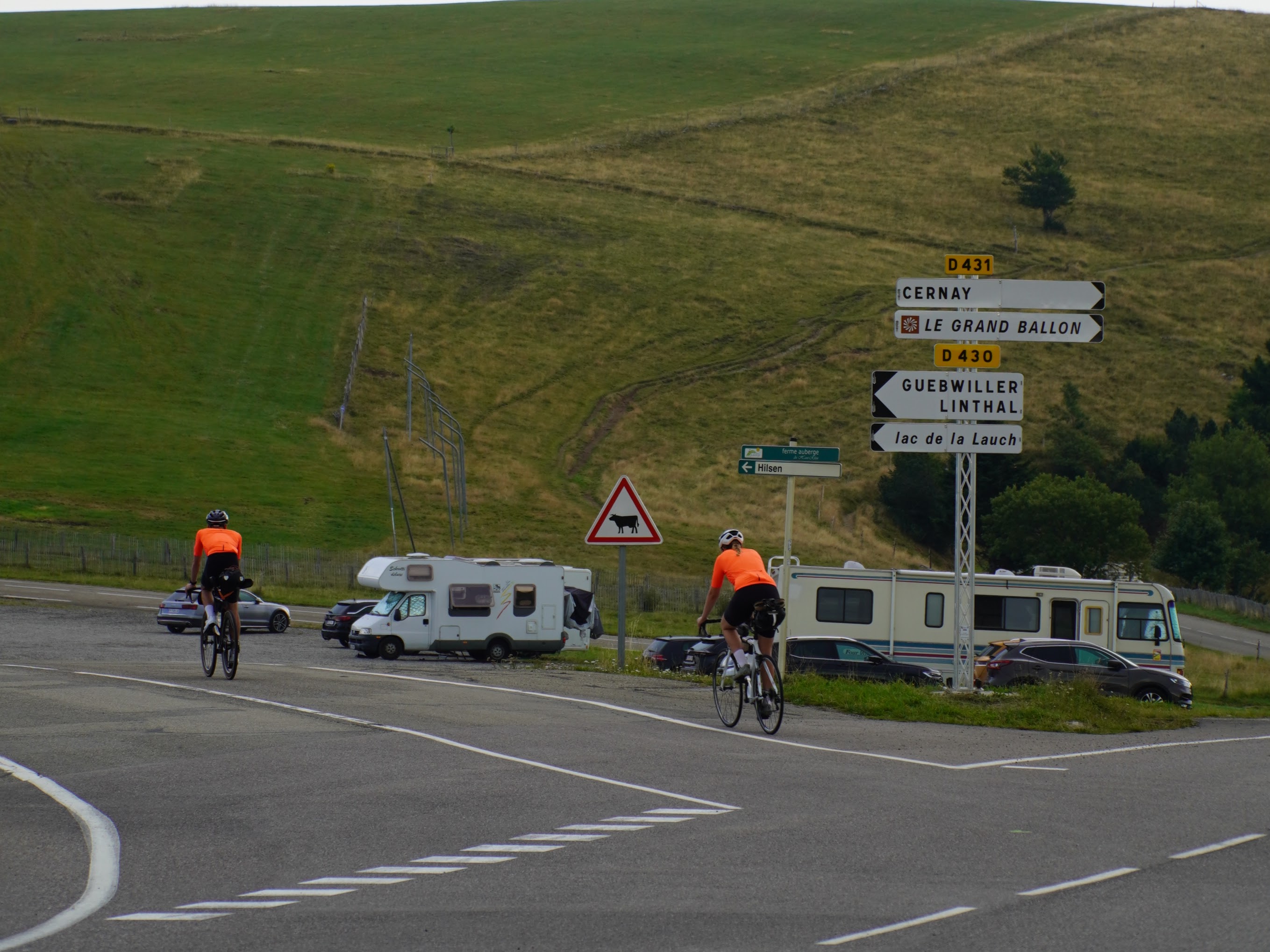
April through October works for most destinations. Spring is special: quiet roads, green landscapes, and in Flanders or the Ardennes, exactly the conditions those roads are famous for.
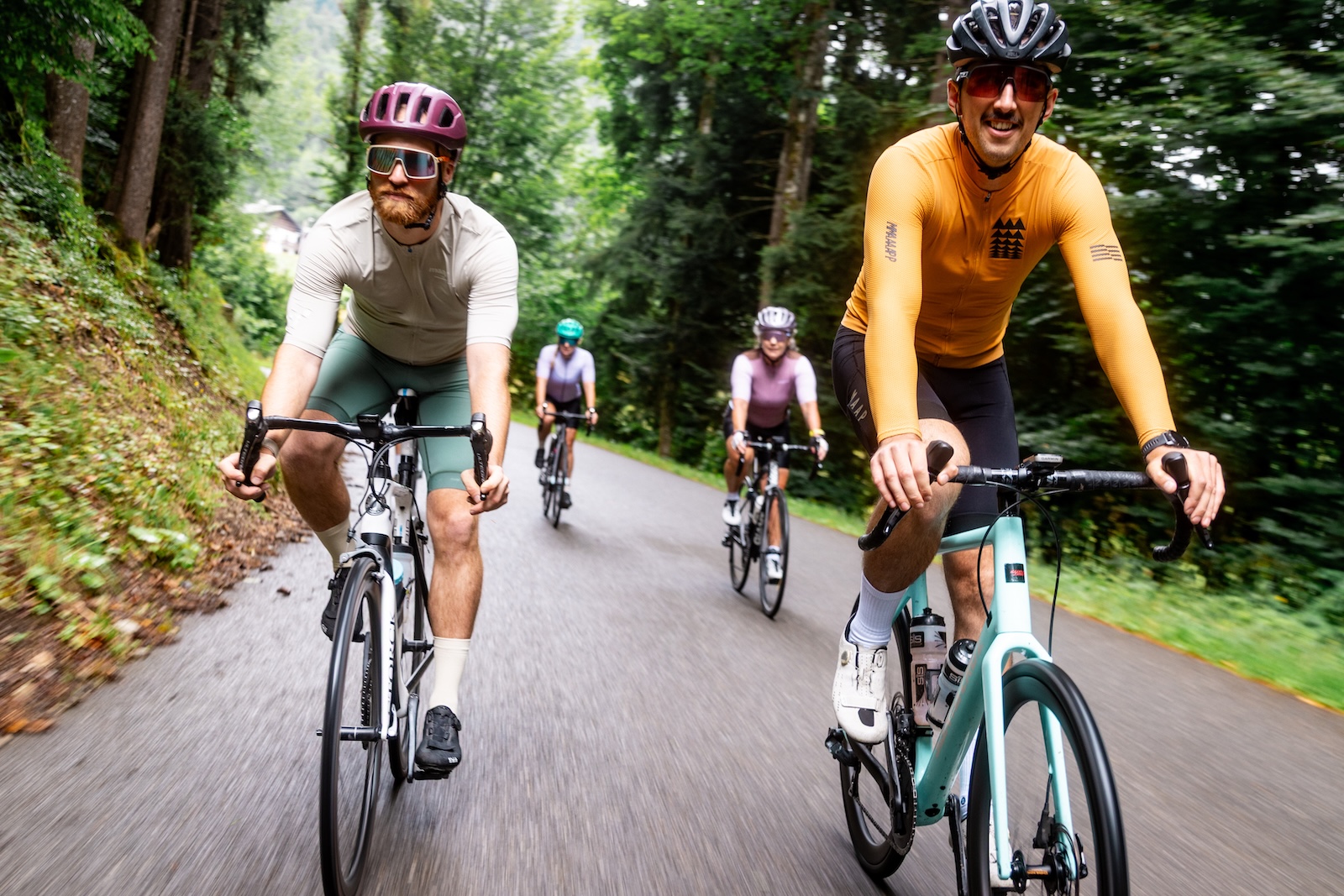
Summer works well too, especially for forested destinations like the Black Forest, Taunus, Harz or Vosges where tree cover keeps things cool and traffic often stays light.
Despite your best planning effort, you should always be prepared for rain. Pack a lightweight jacket, lower your expectations for a week of blue skies, and enjoy empty roads while everyone else chases the Mediterranean sun.
The Canary Islands: Year-Round Riding
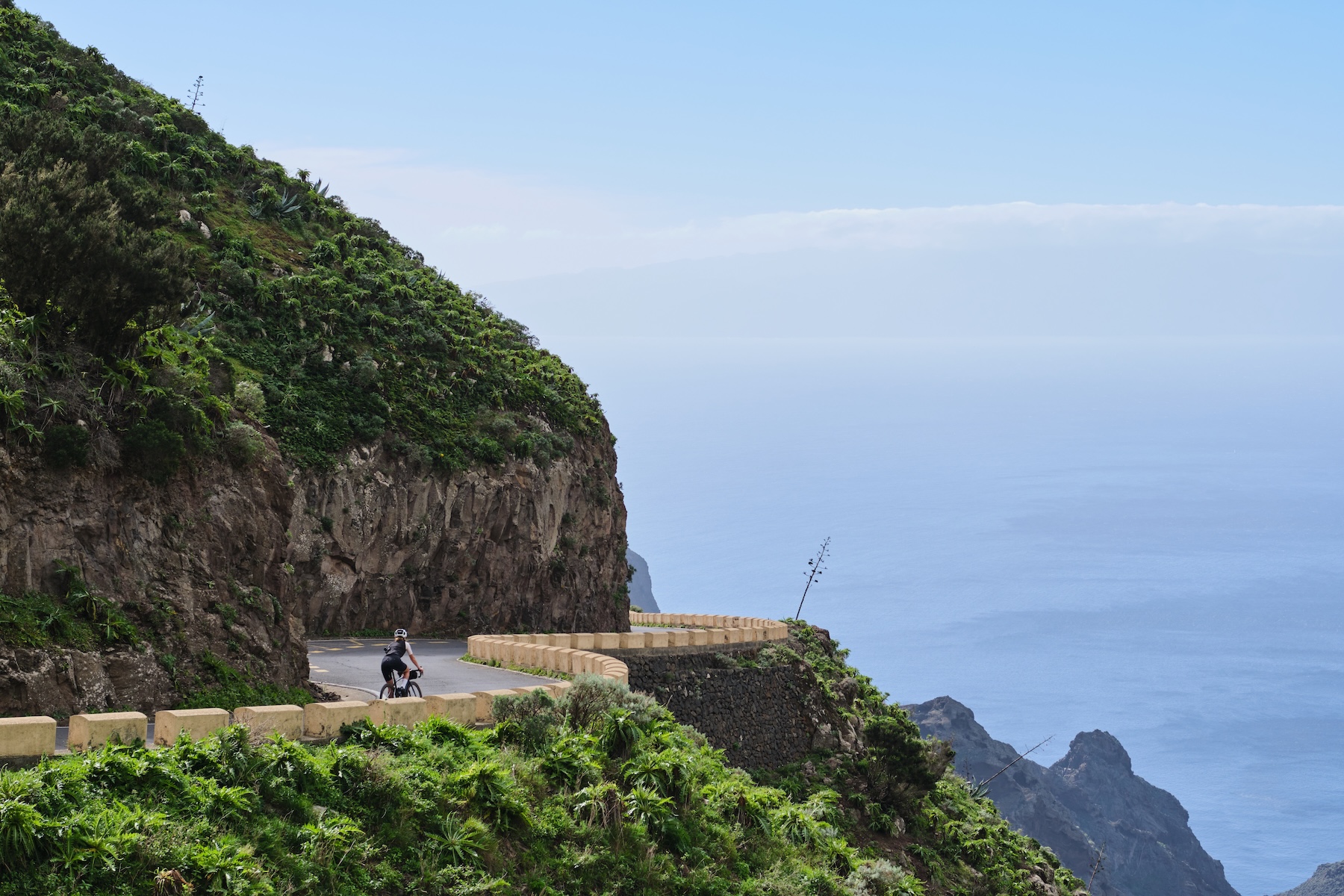
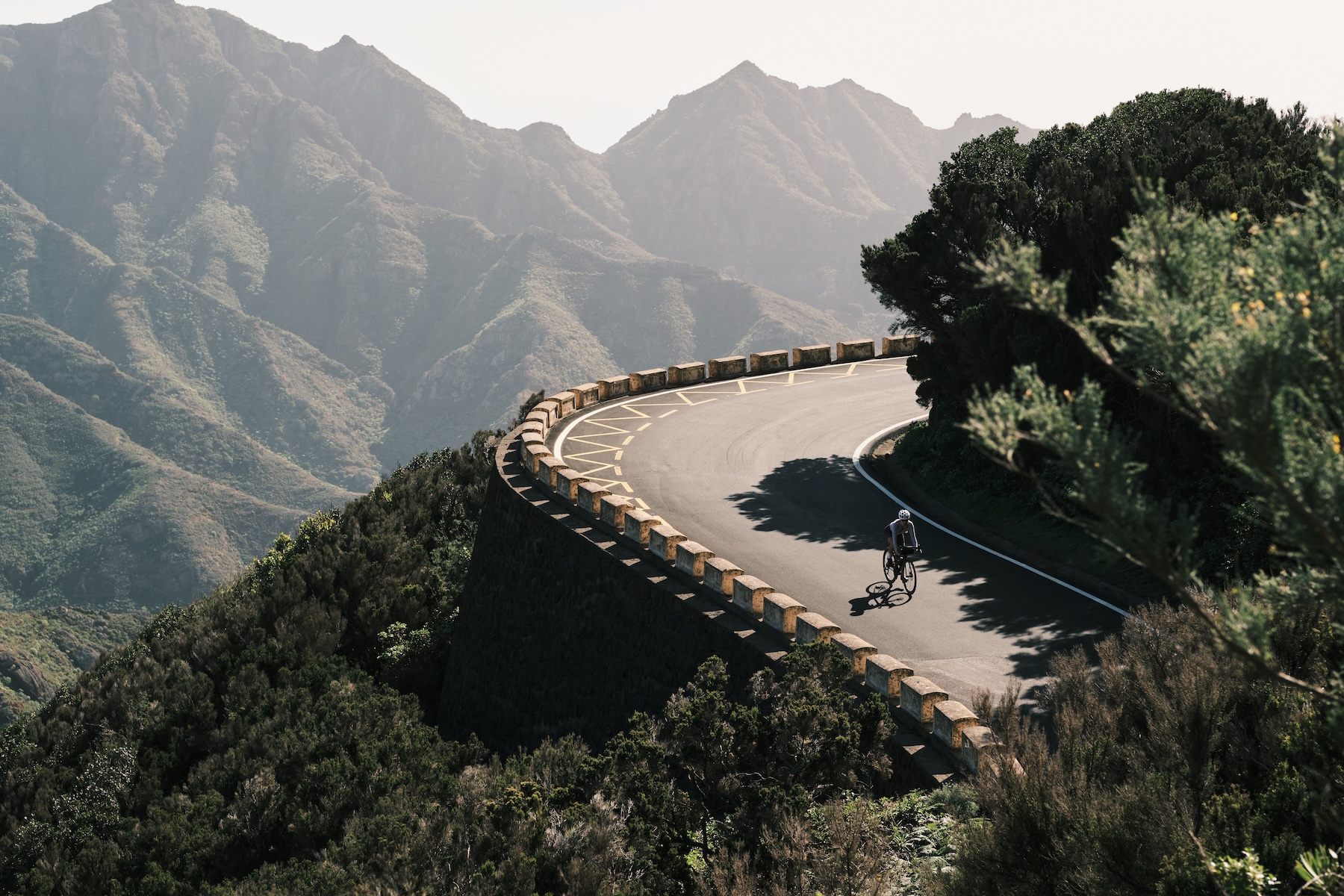
While most of Europe has a strict off-season, the Canary Islands (Tenerife, Gran Canaria, and Lanzarote) operate on a different calendar. They don't really have a winter, just a slightly cooler spring.
-
Winter Escape (November–March): Peak season for cyclists. While the rest of Europe rides indoor trainers, the Canaries offer around 20°C.
-
Summer Alternative (June–August): Most riders forget the islands in summer. Thanks to the Atlantic trade winds, they often stay cooler (mid-20s°C) than the Mediterranean, which can bake in the mid-30s.
Dress for Altitude
Even in perfect conditions, mountain riding comes down to layers.
Temperatures drop by about 6.5°C for every 1,000m you climb. If it's 25°C at the base, it can feel like 10°C at the summit once you add wind chill. Combine that with a sweaty jersey and a long descent turns miserable fast.
Never ride a high pass without:
- Gilet: A sleeveless windproof vest. Your first line of defense for your chest.
- Arm warmers: Roll them down on the climb and back up for the descent.
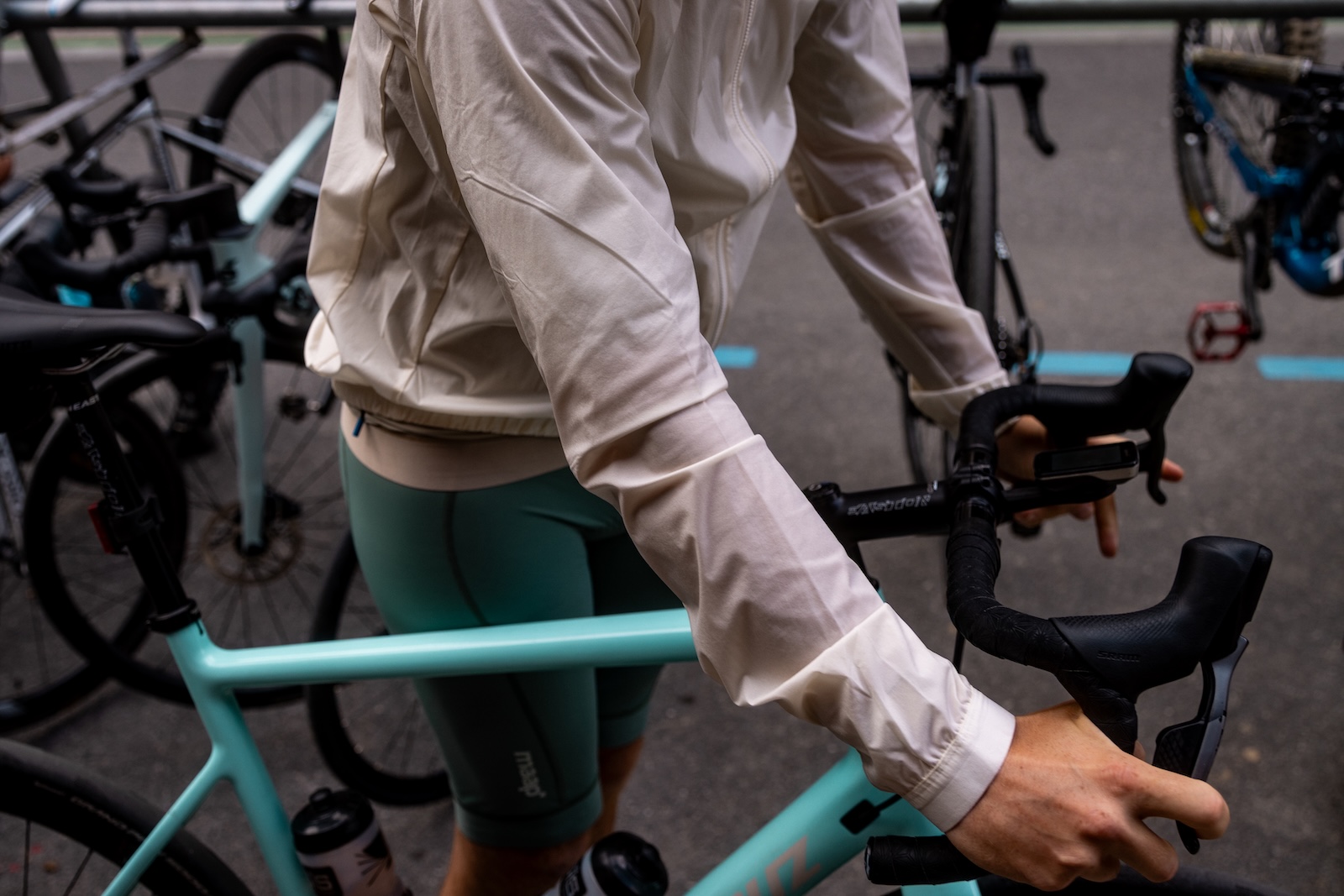
- Lightweight rain jacket: It blocks wind better than a gilet on a 20km descent.
If your saddle bag has room, bring both the gilet and the rain jacket. If space is tight, take the rain jacket unless you're certain the gilet will do. You'll find the full clothing list in our complete packing list.
Weather vs. Crowds
Sometimes you need to balance conditions against crowds.
The Dolomites in August have perfect weather but heavy tourist traffic. Early June brings cooler temperatures and the odd closed pass, but far fewer people.
Mallorca in April is ideal for riding, but some cafés and restaurants in smaller villages still run on winter hours. Decide which matters more to you.
Check Before You Go
Weather patterns shift year to year. A few weeks before your trip:
- Check the 10-day forecasts for the summits, not just the valley.
- Confirm pass opening status. Some climbs may still be closed by snow in early June.
- Look at daylight hours. A June ride in the Ardennes gives you light until 10:00 PM. In September, the day ends much earlier.
With your destination and dates set, you can look at accommodation. Where you sleep decides which roads you ride every morning.
Related Articles
How to Plan Your Own Road Cycling Holiday: The Complete Guide
Where to Ride in November: The Best Cycling Destinations
Where to Ride in October: The Best Road Cycling Destinations in Europe