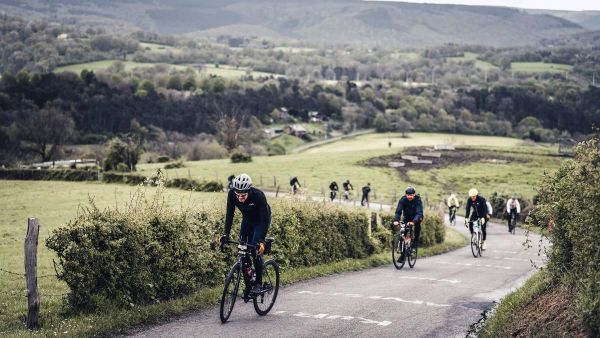
Flanders is the heart of road cycling for many. The winding lanes, steep punchy climbs, and bone-rattling cobbles have tested the world's best and inspired generations of riders. Every hill has a name that echoes through the sport.
This is the land of the Ronde van Vlaanderen. A day on which entire villages shut down. Families line the course with beer and flags. Kids grow up knowing the names of climbs like the Koppenberg and the Paterberg before they can ride a bike themselves.
Riding here as a visitor takes some preparation. Use this guide to navigate the "Hills and Cobbles of Flanders" like a local.
The Rolling Terrain of the Flemish Ardennes
The Flemish Ardennes don't give you long climbs to settle into. The hills in this region are short, sharp, and relentless. You climb one and within minutes you're onto the next ascent. Climb, turn, descent. Repeat.
Narrow roads twist through farmland and forest, making it easy to lose your sense of direction. Plan your route in advance because improvising out here gets confusing fast. Most "bergs" are short enough to sprint, but doing that twenty times in a day will ruin your legs.
How to Ride Cobbles (Kasseien) in Flanders
Cobbles define cycling in Flanders. While they look beautiful in photos, they demand real technique. Getting it wrong will rattle your teeth and drain your energy
The Basics
- Hold the bars with a confident but relaxed grip. Let the front wheel dance and find its own path over the stones. Gripping too tight sends every vibration straight into your neck and shoulders.
- Ride on the tops of the bars whenever the road is flat. This upright position keeps your weight back and saves your wrists from the worst impacts. Switch to the hoods or drops only when you need extra leverage for a corner or a steep kick.
- Stop thinking about high pressure. Drop your tires to between 3.8 and 4.5 bar to let the rubber deform over the cobbles. If your frame allows it, fit 28mm or 30mm tires for a massive boost in comfort.
- Keep both hands on the bars during any cobbled section. No exceptions.
On Flat Cobbles
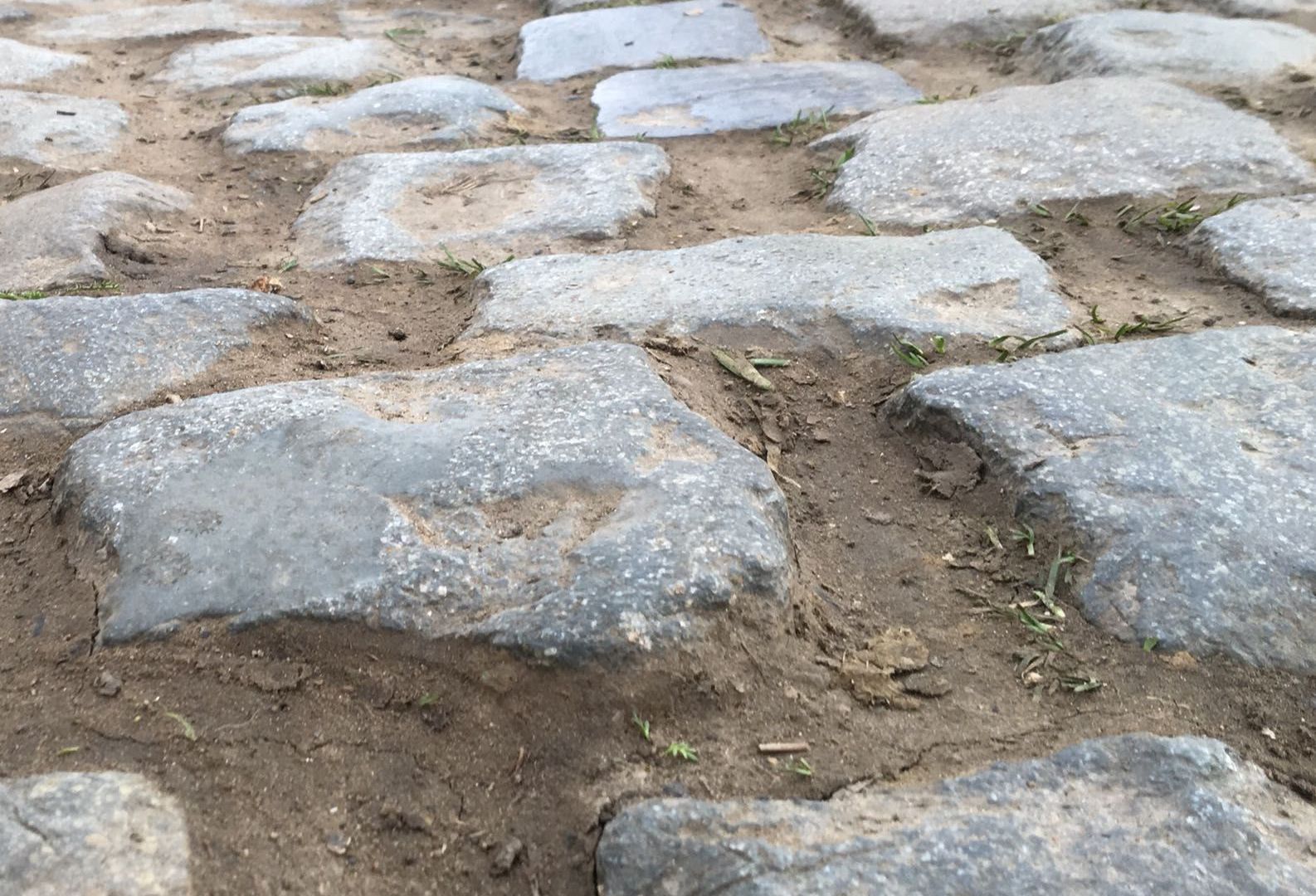
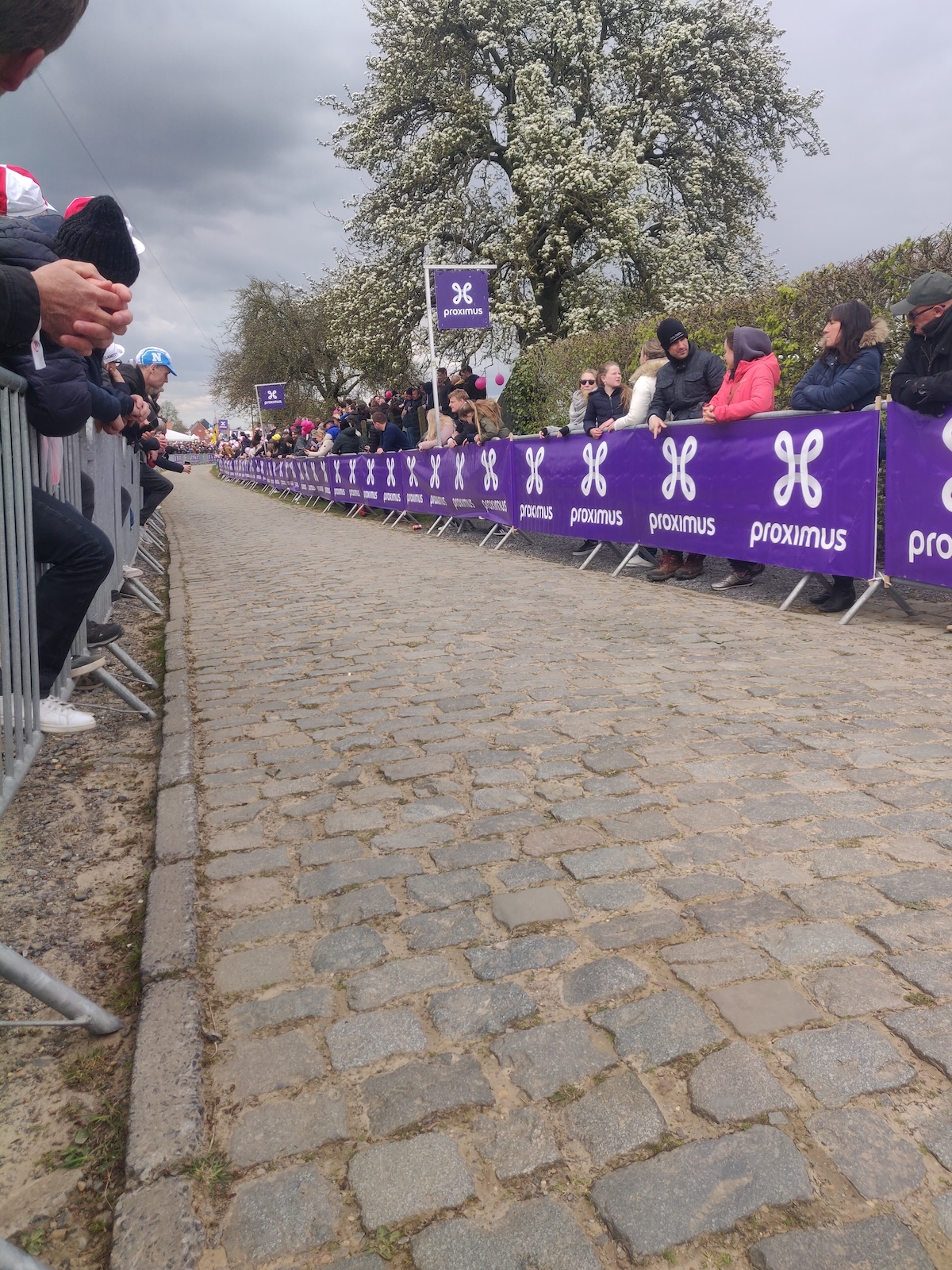
Most cobbled roads have been shaped by centuries of traffic. The surface forms a slight "W" shape, with the middle ridge pushed up and the sides sunken into ruts and puddles. Ride the middle of the road where the surface is most even. That's where you'll find the smoothest line to ride.
Experienced riders also look for the "greppel" or gutter. This is the narrow strip of concrete or dirt at the very edge of the stones. Diving into the gutter saves your hands and lets you carry significantly more speed. Be careful, though, as these strips often collect glass, sharp flint, and mud.
Keep Your Speed
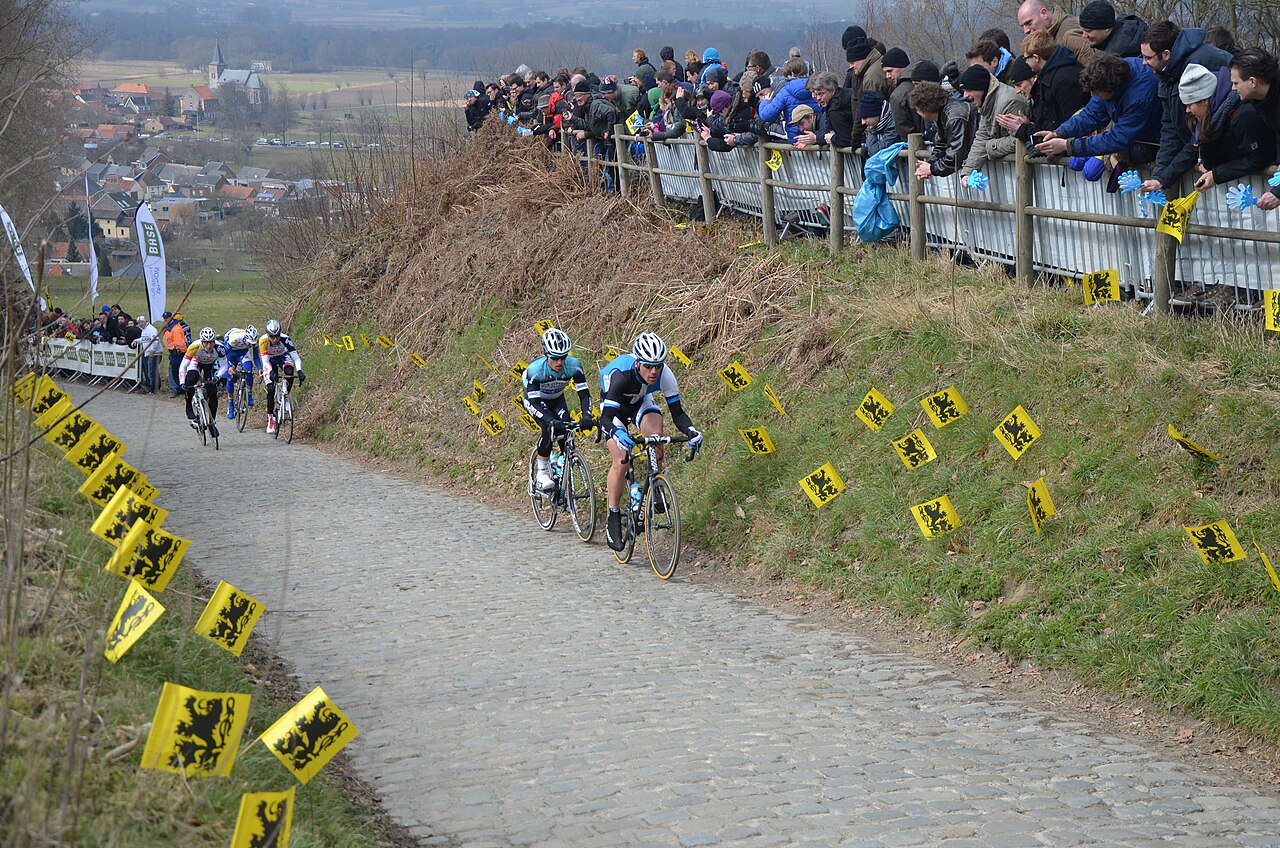
The golden rule on flat cobbles is to keep your speed. The moment you slow down, everything gets harder. You’ll start bouncing around, lose traction, and you’ll be fighting the bike instead of riding it.
Carry your speed into the section and let the bike roll. Staying seated is more efficient, but rising slightly out of the saddle absorbs more vibration. Find the rhythm that works for you.
Climbing on Cobbles
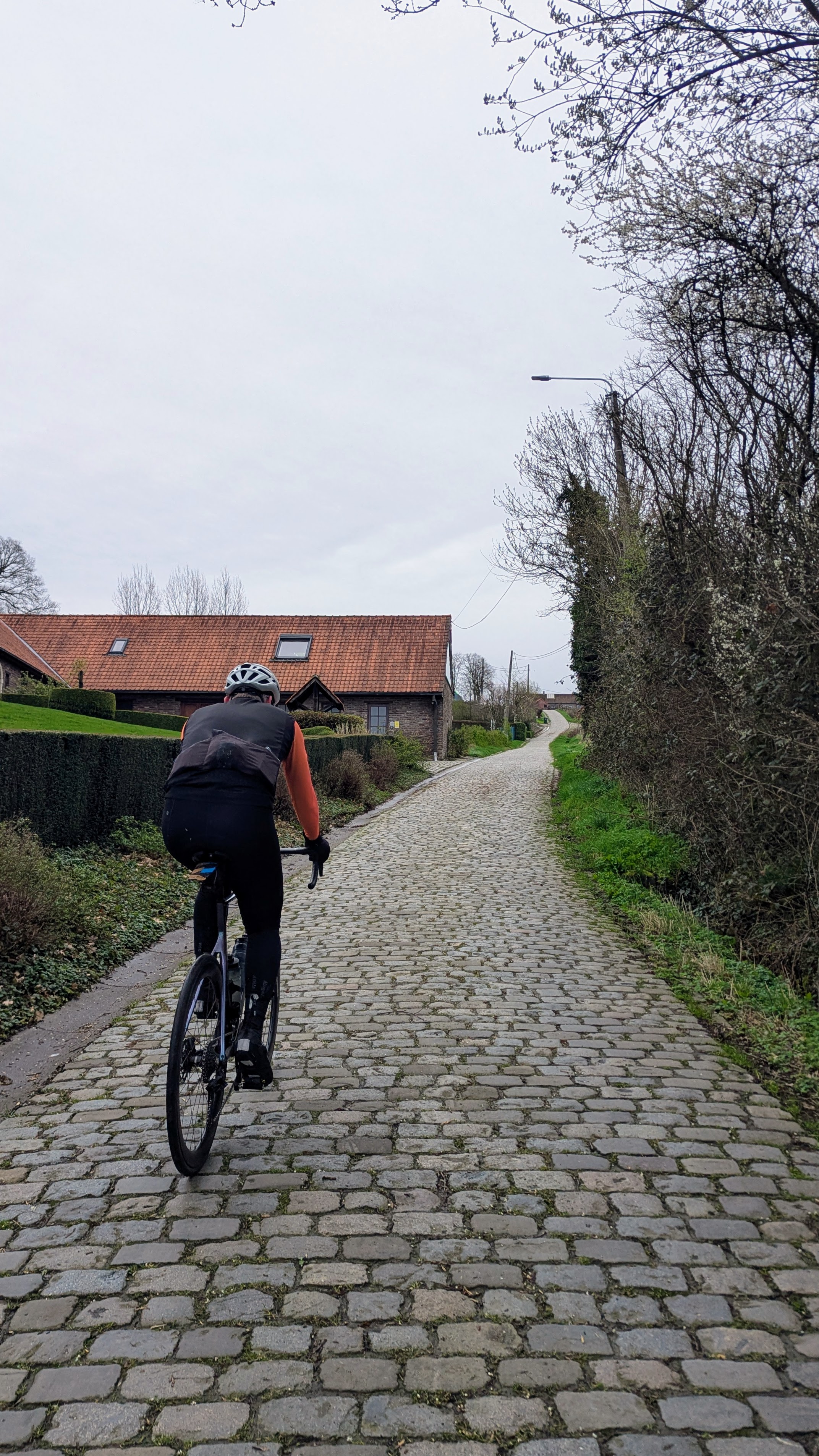
This is where things get genuinely hard. You're already working to get up the hill, and now you have to manage traction. Stay seated where possible and push smooth, consistent power.
If you stand up too much, the back wheel will slip on the uneven stones. Use a bigger gear than you normally would on a climb. This keeps steady pressure on the rear wheel and reduces bouncing.
Check your gearing before you arrive. Many visitors are humbled by gradients that hit 22%. Ensure your bike has a 30T or 32T cassette so you don't run out of gears on the Paterberg.
The Slippery Stones
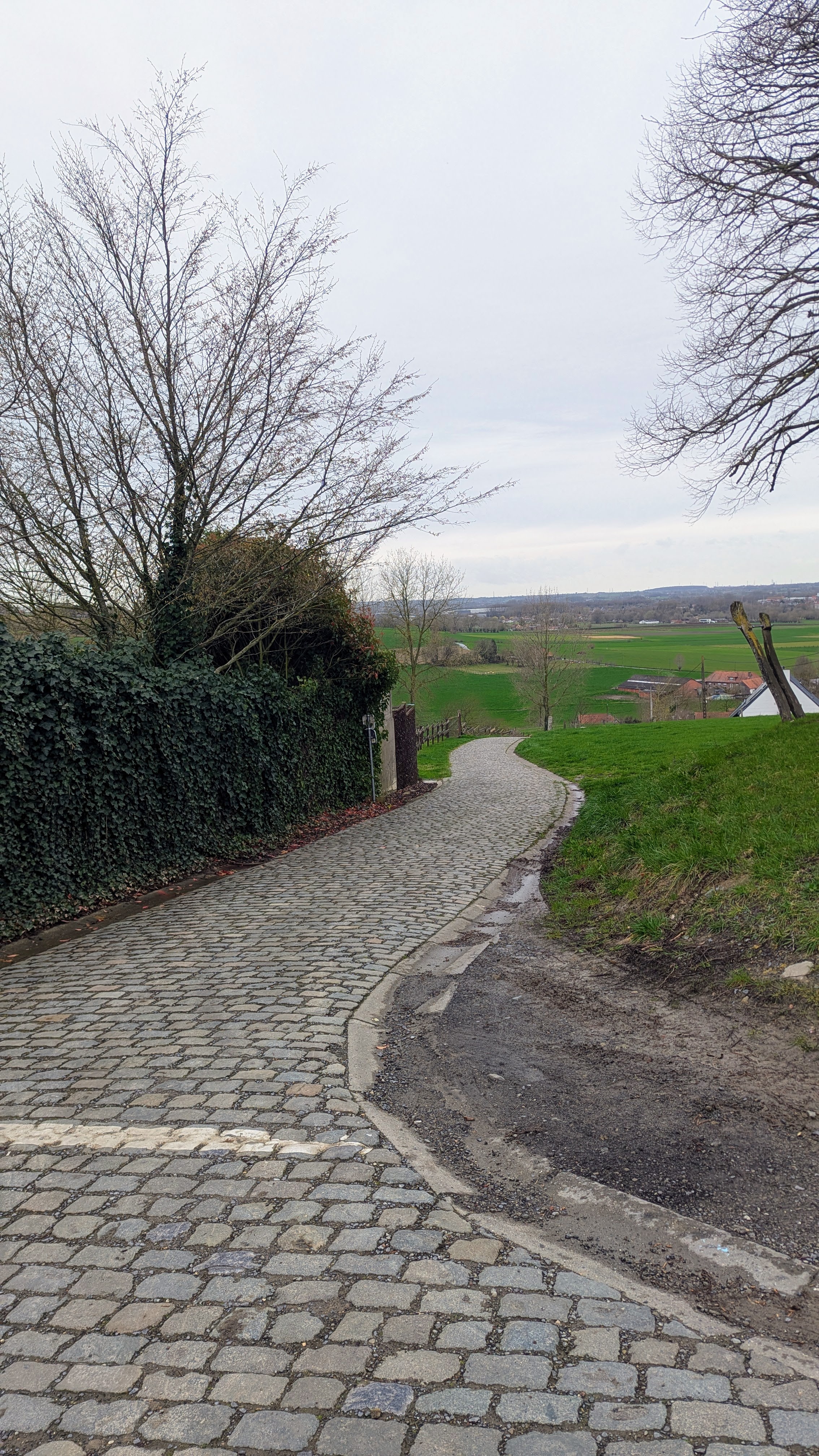
Some climbs are brutally slippery, especially in wet conditions. The Koppenberg is the most notorious: almost 600 meters long, 11.3% average gradient, and a maximum of 22%. The stones are worn down to near-glass smoothness. Many riders, including the pros, have to walk at some point. There is no shame in it.
Descending on Cobbles
Descending cobbles gets your heart racing. Speed builds quickly and the margin for error shrinks. Stay relaxed through your arms and shoulders because tension makes the bouncing worse
Keep your weight balanced and trust the bike. Look far ahead to navigate around the biggest gaps and potholes. Brake firmly before you enter the cobbles, not while you are on them.
Prepare Your Bike for the Cobbles
Cobbles loosen bolts faster than any other surface. Before every ride, tighten your stem, saddle, bottle cages, and computer mounts. Check your bike every single day, not just the first morning.
Double-wrap your bar tape. An extra layer absorbs vibration and protects your hands from blisters. Ensure your bottle cages grip tightly. Cobbles shake bottles loose constantly, so use cages with a death grip.
Cycling Road Safety in Flanders
Drivers in Flanders have a genuine respect for cyclists. They’ll wait and give you room. When they do pass, they’ll do so with a wide margin and don't take risks. It makes riding here feel relatively safe, even on narrow country roads.
You'll also notice fietsstraat signs on some roads. These mark cycling streets where cyclists have priority over cars. Drivers are allowed on these roads, but they have to follow your pace and cannot overtake.
That said, the roads twist and turn constantly. You often can't see what's coming around a bend, and neither can drivers. At blind corners or sections where visibility is poor, slow down and take a proper look before proceeding.
Plan Your Ride in Flanders
The Flanders guide on The Ride Atlas covers the key cobbled climbs, the best cycling routes, where to stay, and where to stop for coffee. Everything you need to plan a road cycling trip to heart of belgium cycling.