Traveling with your own road bike seems smart but it is definitely not for everyone. It adds complexity, cost, and stress to your cycling trip. But riding a familiar bike that fits you perfectly, that's hard to give up.
Here's how to decide whether to bring your own road bike or rent one at your destination.
Quick Comparison
When to Bring Your Own Bike
- Fit and performance. Your saddle height, reach and cleat position are exactly how you like them. There's no break-in period, no saddle sores from an unfamiliar seat, and you know how your brakes and gears respond in every condition.
- Specialized setup. If you run a specific climbing cassette or other custom parts, rental bikes rarely match.
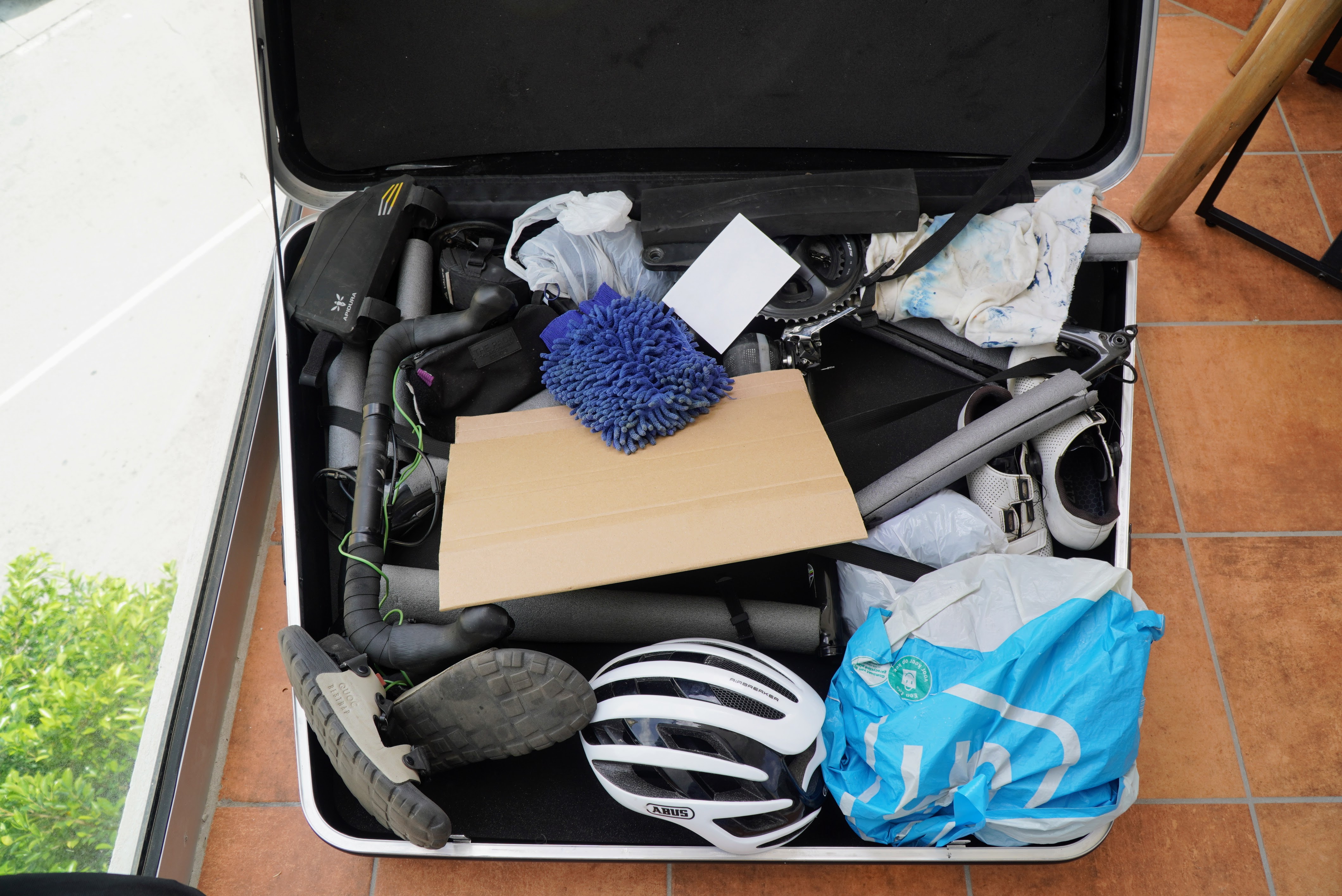
- Extra luggage space. If your bike box stays under the airline weight limit (usually 23kg or 32kg), you can pack kit, helmet, tools and even some casual clothes inside. That often saves you paying for an extra suitcase.
- Traveling by car or train. Then bringing your own bike becomes the obvious choice.
- By Car: If you are driving to your destination and have a bike rack or trunk space, it’s a no-brainer. You’ll have less packing stress, no extra fees, and total flexibility.
Keep an eye on your bikes at rest stops and restaurants, because opportunist thieves look for loaded cars. - By Train: n well-connected regions, you can often roll your bike straight onto a dedicated bike carriage. Check the rail operator's rules first, because some high-speed lines require a zip-up bike bag or a mandatory bike reservation.
- By Car: If you are driving to your destination and have a bike rack or trunk space, it’s a no-brainer. You’ll have less packing stress, no extra fees, and total flexibility.
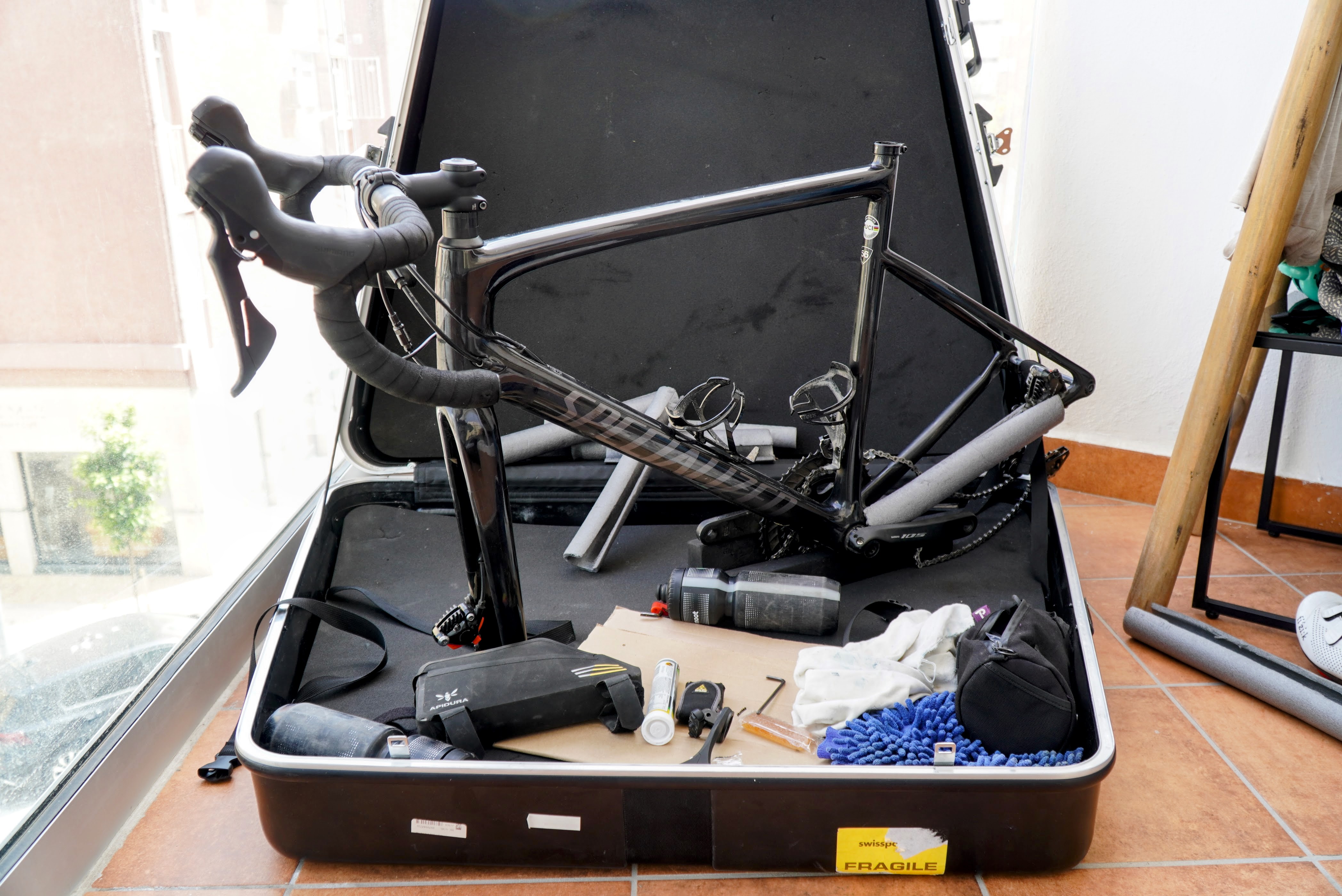
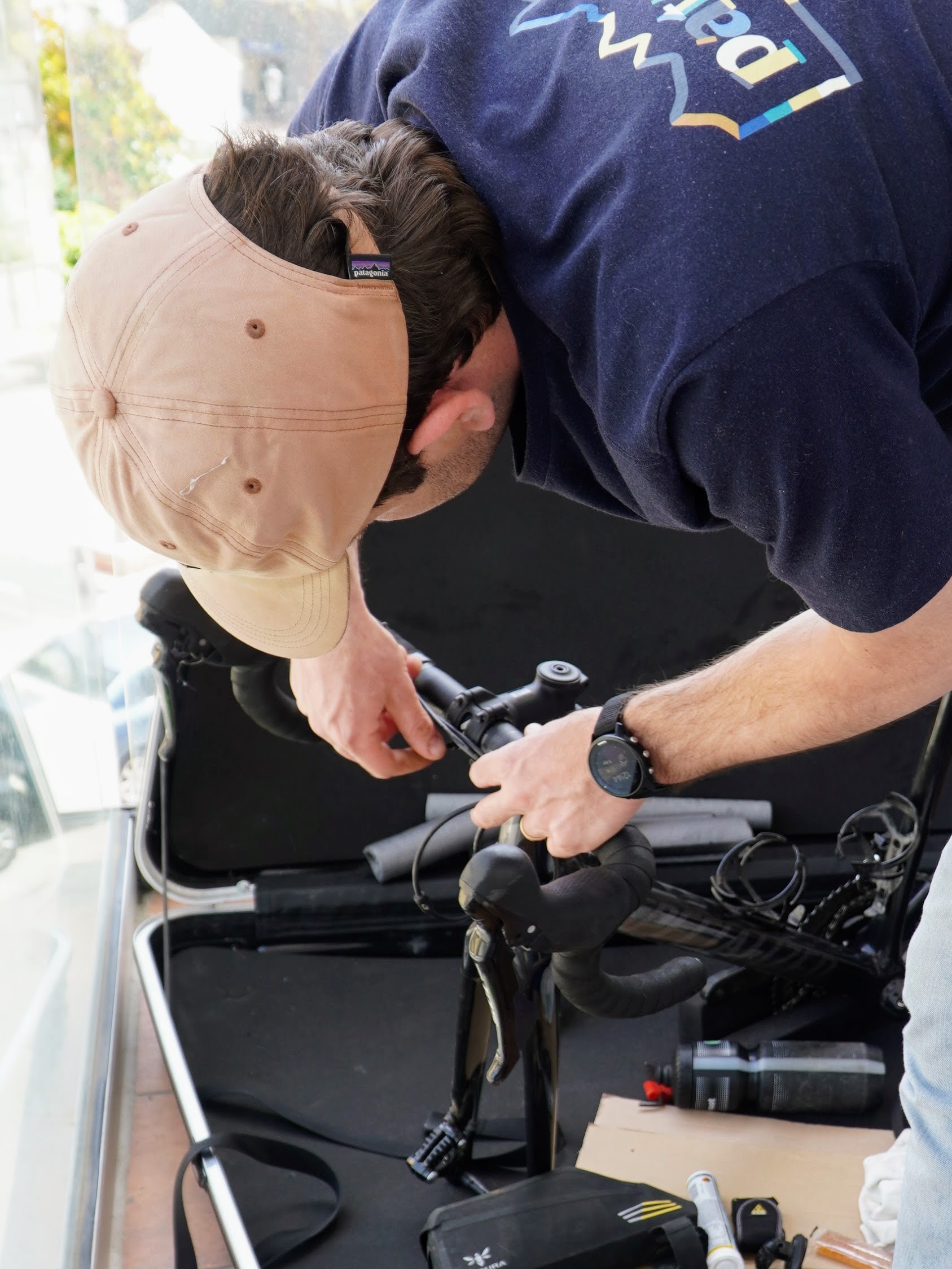
- Mechanical Skill. If you fly with a bike box, you need to be comfortable removing the handlebars, pedals and rear derailleur. You'll also need a torque wrench (a tool that tightens bolts to a set force, so you don't crack carbon parts) to rebuild it safely. If reassembly or indexing your gears (adjusting the derailleur so it shifts cleanly) isn't your thing, renting is the safer choice.
When Renting Makes More Sense
- No Logistics or Storage Hassle. Bike boxes are huge and don't fit in many cars unless you fold the back seats down. And where do you keep an empty hard case in a small European hotel room or a third-floor apartment? Renting lets you travel light.
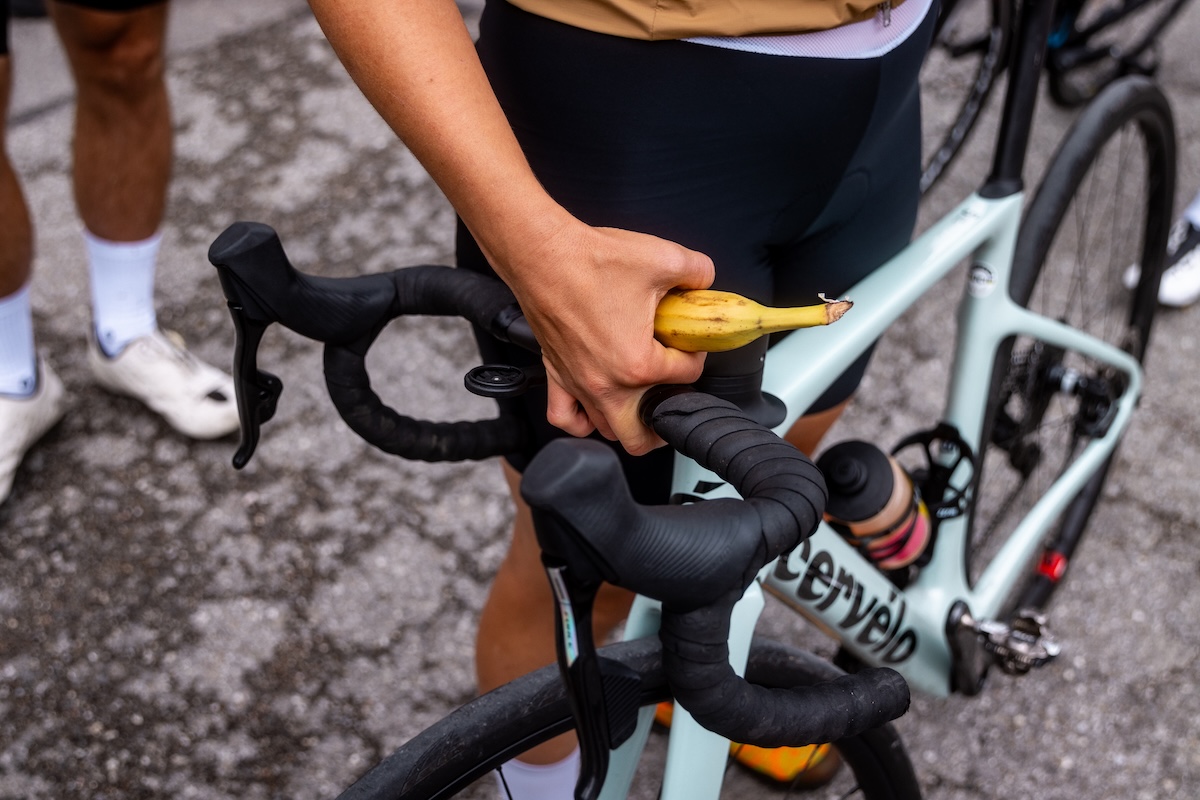
- Try Something New. A rental lets you ride a flagship carbon bike that might be much nicer than yours, or test a new brand or groupset before you buy.
What About Damage and Insurance?
One of the biggest stressors is the fear of a cracked frame.
- If you bring yours: Check whether your home or travel insurance covers sports equipment in transit. Many standard policies exclude bikes unless you add specific cover.
- If you rent: Ask the shop about a damage waiver. For a few euros a day, it usually covers crash damage and broken components. Take it if it helps you ride without worrying.
Flying with a bike box always carries some risk. Experiences differ, but riders regularly tell us they see some damage once every 3 to 5 flights.
What It Actually Costs
Run the actual numbers for your situation. Here is what you should take into account.
Bringing your bike (approximate):
- Bike box: buy one, or rent for around €50-100 per week.
- Airline bike fees: vary widely, often €75-100 each way.
- Oversized luggage handling: sometimes extra.
- Transfers to and from the airport or station: you'll need an XL taxi or a car.
Renting (approximate):
- Quality road bike: €150-400 per week, depending on location and spec.
- Premium bikes (carbon, disc brakes, electronic shifting): the top of that range.
- Basic alloy bikes: the bottom of that range.
For occasional trips, renting usually wins on convenience even if it costs a bit more, especially on short trips where you'd rather not rebuild your bike. For frequent travelers, owning a bike box tips the balance toward bringing your own.
Bringing Your Bike: Plan the Whole Journey
Think through the entire transport chain before you commit.
Think through every step of the journey before you commit.
Getting to the airport or station: A regular taxi often won't fit a bike box.
- Large ride-share cars (Uber XL or similar) can usually fit one if the driver folds the rear seats.
- Some drivers arrive and can't take the box, so leave time to order another.
- Driving yourself works but adds parking costs.
- Public transport rarely works with a bike box. If you try it, build in extra time for transfers.
Traveling as a pair or group: The logistics multiply. Two bike boxes and two riders won't fit in one car with a driver, so you'll need a bigger vehicle, two cars, or a creative plan.
At your destination: Some places have this figured out. On Mallorca, transfer companies cater specifically to riders with bike boxes.
Other places take more effort. Smaller towns near the Pyrenees might have no obvious transport option, so ask your accommodation to arrange a suitable transfer in advance.
Build in buffer time. Cars don't show up or turn out too small, and a little margin keeps a hiccup from becoming a crisis.
If you're also relying on a car at your destination, check that it fits the box before you book it. "Where to stay" covers when a car is worth having.
Renting: What to Check First
Research the rental shop before you book.
Look for a shop with:
- Good reviews from road cyclists.
- Your size in stock.
- A location close to your base town.
Ask the shop, or check their website:
- What bikes do you have in my size?
- What groupset and gearing?
- What condition are the bikes in?
- Do you provide pedals, or should I bring my own?
- Can I fit my own pedals?
- What happens if something breaks during the rental?
- What's included (bottles, saddle bag, tools)?
Pedal compatibility matters. If you ride clipless pedals, confirm the shop can accommodate your cleats. Shimano SPD-SL and SPD are common, Look Keo less so. Many shops let you fit your own pedals.
Consider bringing your own saddle too. If you've found one that works for you, swapping it onto the rental removes one of the biggest comfort variables
Finding a proper bike rental takes time. That's why each Ride Atlas destination guide lists the rental shops worth booking at every location, along with the brands they stock and the other relevant details, so you can skip the research phase.
The Hybrid Approach: Make a Rental Feel Like Yours
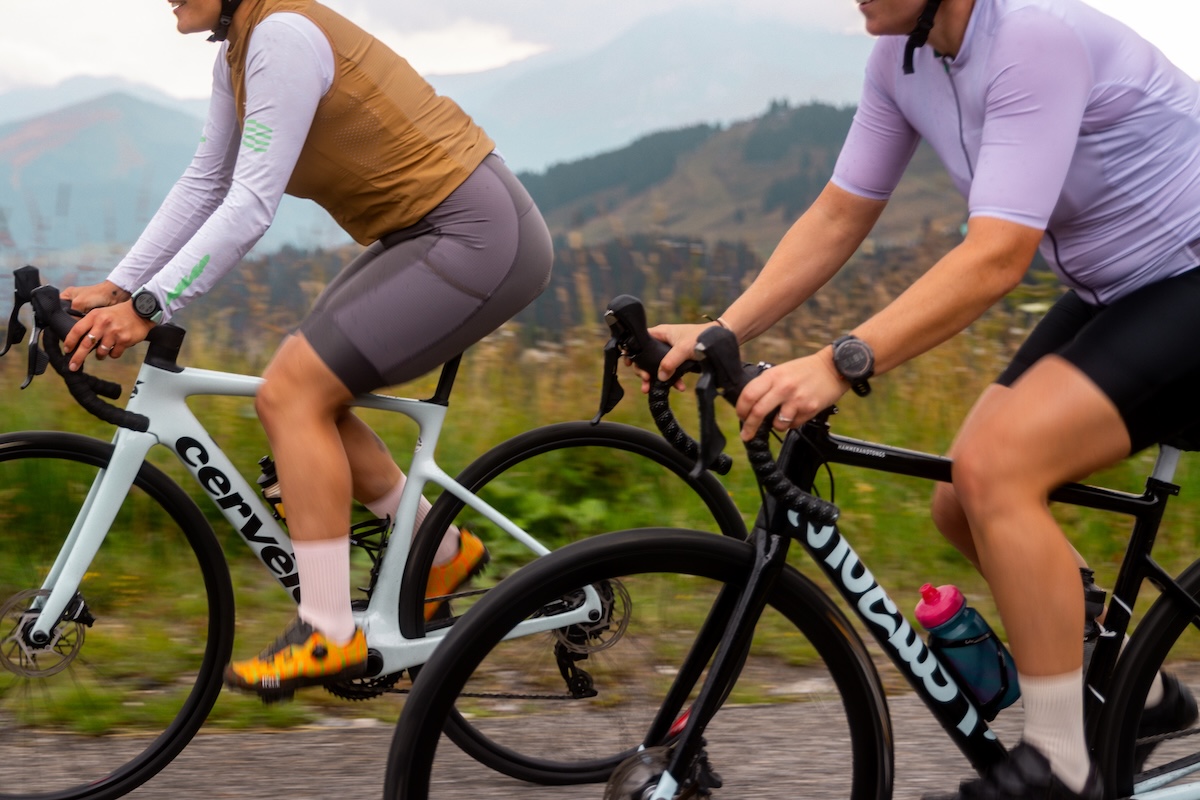
You don't have to go all in on either option. Plenty of experienced riders make a rental feel like home with a few tricks:
- Bring your touchpoints. Pack your own pedals, shoes and saddle. These are the most personal parts of the bike.
- Bring your fit numbers. Before you leave, measure your saddle height (center of the bottom bracket to the top of the saddle) and reach (tip of the saddle to the center of the handlebars). Bring a small tape measure, or ask the shop to set the bike to your numbers.
- Bring your bike computer. Pack your own Garmin or Wahoo and its mount.
Still Not Sure? Five Questions to Settle It
- Am I fine with about 2 hours of mechanical work packing and unpacking?
- Does my car and accommodation have room for a bike box?
- Is my trip longer than 5 days? If yes, bringing your own usually works out cheaper.
- Is there a reputable rental shop at the destination with modern bikes?
- How am I getting there? By train or car, bringing your own bike is far cheaper and less stressful than flying with it.
There's no universal right answer. Pick the option that fits your priorities and your tolerance for logistics.
With the bike sorted, it's time to plan the routes.