Alpe d'Huez
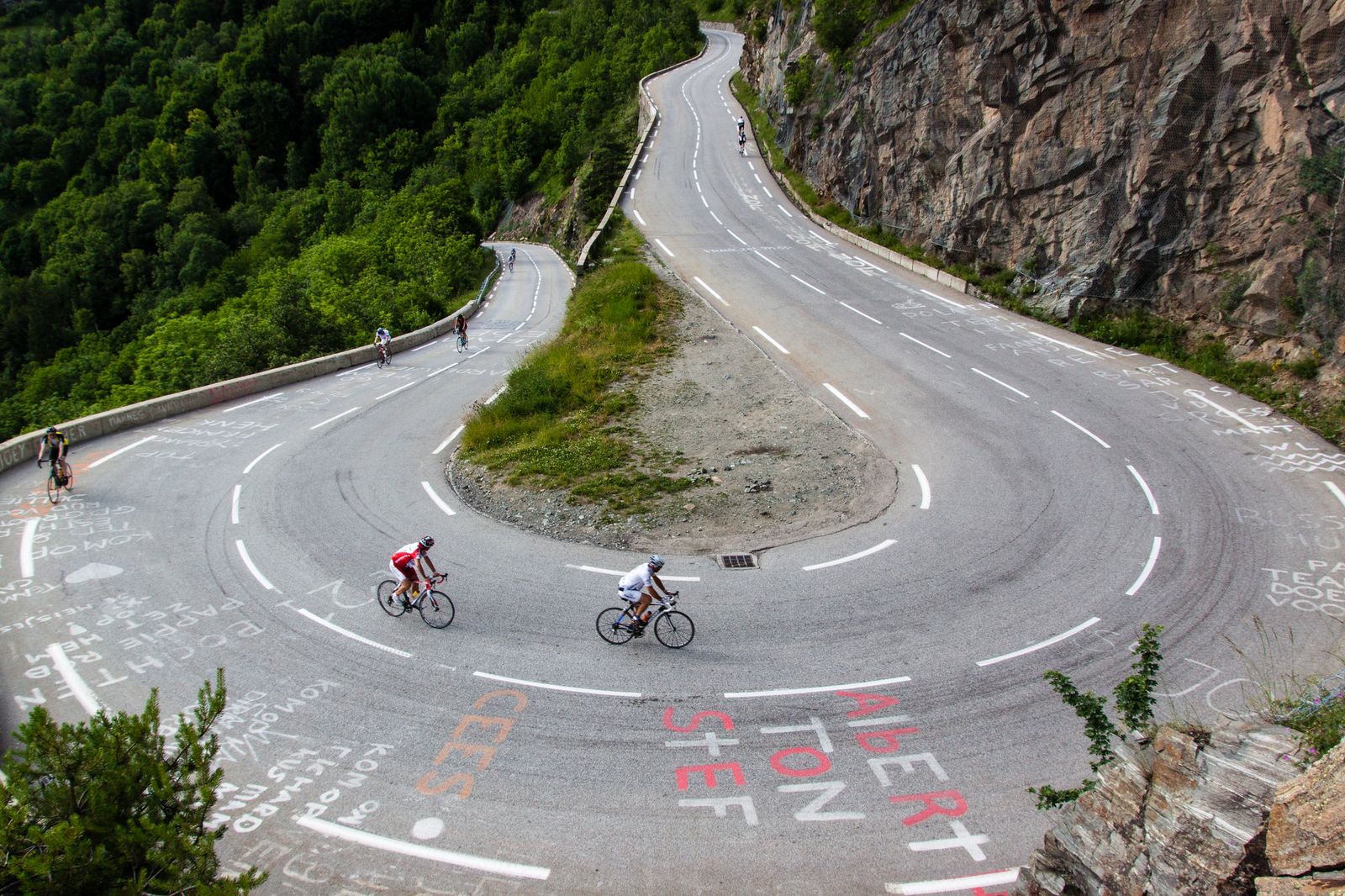
Fausto Coppi blew "his opponents up like pieces of wood. One this way and one that way. And like pieces of wood, they were lost." It's the chronicle of a historic day for cycling: on July 4, 1952, the first uphill finish in the history of the Tour de France, on Alpe d'Huez, crowned "the Campionissimo." Many other historic uphill finishes would follow. From the victories of the Dutch riders (eight in the 1970s and 1980s) to the feat of Portugal's Joaquim Agostinho, Alpe d'Huez has always been home to the Tour.
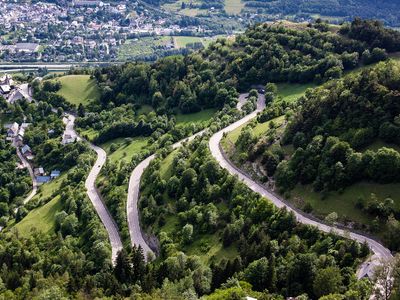
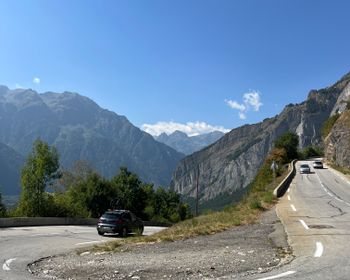
Many of the greatest of all time have won up here: from Bernard Hinault to Gianni Bugno, then Lance Armstrong and Marco Pantani. "Il Pirata" also set the three fastest uphill times ever: all under 37 minutes and 30 seconds. Cycling history continues to be made on the 21 hairpin bends of Alpe d'Huez: Tom Pidcock won in 2022, Demi Vollering two years later, and in 2026, two stages of the Grand Boucle will finish there.
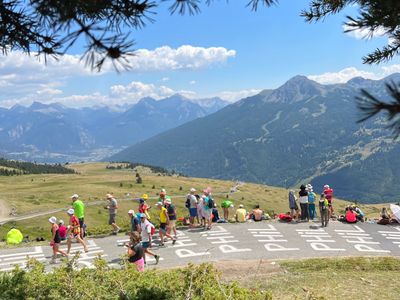
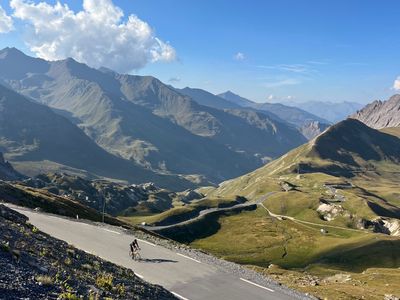
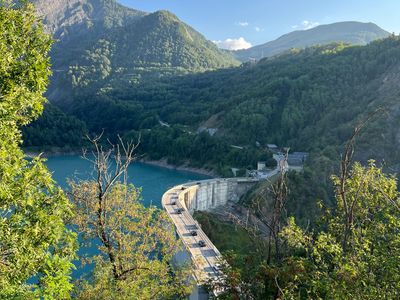
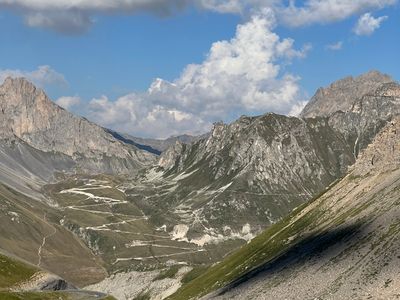
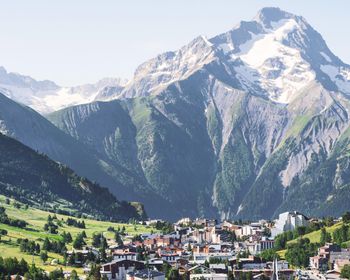
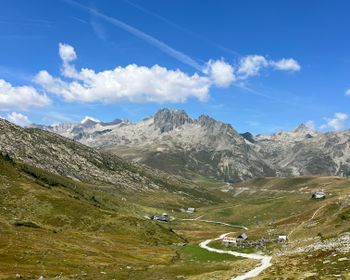
Beyond being a legendary climb in itself, however, Alpe d'Huez is set in a fairytale setting: the Romanche River, the Écrins National Park, the Oisans Valley and the snow-capped peaks overlooking it constitute a true paradise for cyclists. Just a few pedal strokes from Alpe d'Huez, there are other legendary Tour climbs like the Galibier and Les Deux Alpes.
These names alone are enough to inspire anyone to embark on a memorable journey.
Photo Gallery
Best time to ride
The warmer summer months are the best for tackling climbs like the Galibier, Granon, and Croix de Fer. They rise well above 2,000 meters and are covered in snow for much of the year. Even in summer, there are plenty of cold or rainy days. On the other hand, it's quite warm in the valleys on some days. And an adventure at altitude, with a bit of cold and perhaps some snow to overcome, would be a great story to tell.
Where to stay
Base Towns
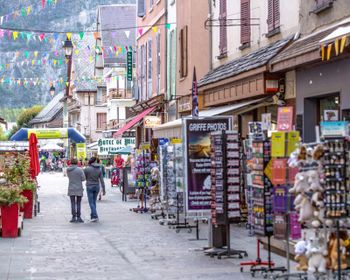
Bourg d'Oisans
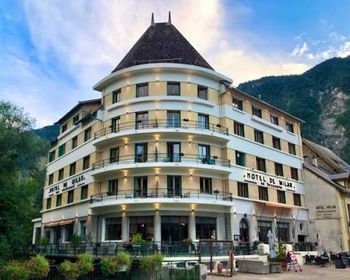
A town of about 3,000 inhabitants, Bourg d'Oisans is located at the foot of Alpe d'Huez. Every time the Tour de France passes through the area, the town fills with cycling fans from all over. There are campsites, hostels, restaurants, hotels, and Airbnbs to suit everyone. It's not a resort town, so outside July it stays quiet, but there are enough restaurants and a well-stocked bike shop on the main street to cover the basics. The road to Alpe d'Huez starts at the eastern edge of town. You can also head south up the Villard-Notre-Dame or roll further down the valley toward Grenoble for flatter warm-up kilometres. Most riders base here specifically for those 21 hairpins, and the elevation sign at the bottom of the climb is about a ten-minute riding from the centre of town.
Preview Content
Unlock the full guide
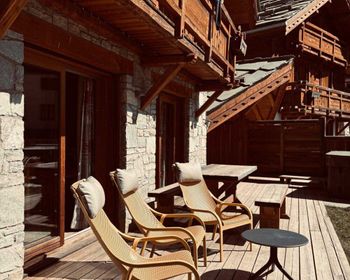
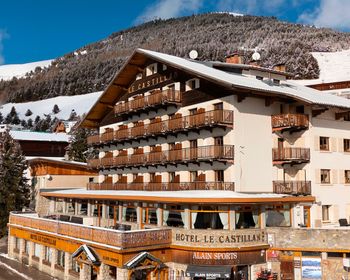
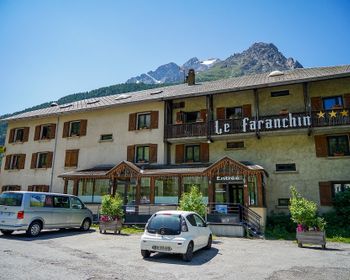
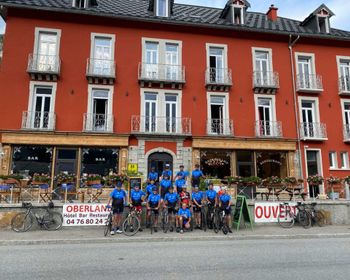
Accommodations (11)
Places in Alpe d'Huez that welcome you and your bike.
Le Freney-d'Oisans
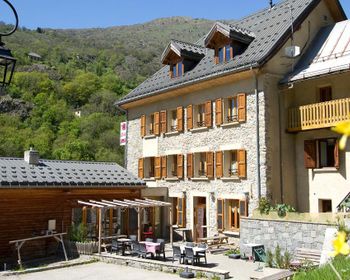
Auberge du Freney
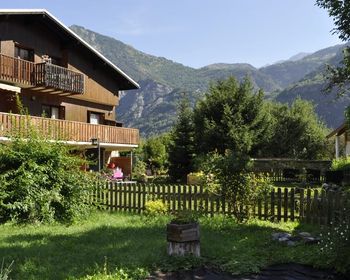
An unpretentious hotel offering excellent value. It's located on the road between Col du Lautaret and Bourg d'Oisans and is perfect for a couple nights or a stopover during a cycling trip. It's run by a young and friendly couple.
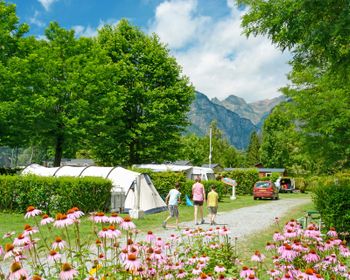
Camping Alpes 4 étoiles
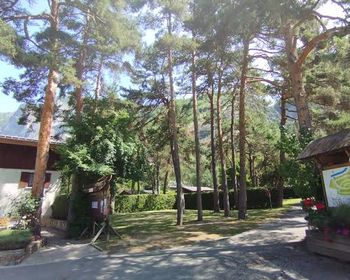
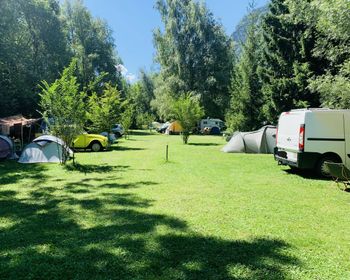
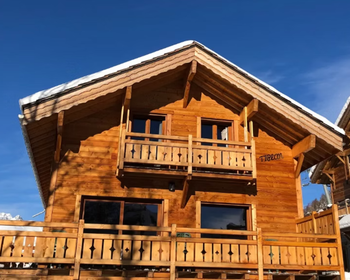
Four-star camping right at the foot of the Alpe d'Huez and close to the village. The camping offers a heated pool pitches shaded by pine trees and an on site restaurant. You can bring your own camping equipment or rent one of the mobile homes, chalets or trailers.
Preview Content
Unlock the full guide
Preview Content
Unlock the full guide
Preview Content
Unlock the full guide
Get full access to the Ride Atlas
Get the Alpe d'Huez Guide and 25 other destination guides for a one-time payment of just $34.95
How to get there
By Car
this is the most practical option. From Grenoble, head southeas through the Romanche valley to Bourg d'Oisans, about 60km. From Briançon, close to the Italian border, come west over the Col du Lautaret.
By Train
The nearest train stations are Grenoble and Briançon, both served by TGV from Paris. From Grenoble, a bus runs to Bourg d'Oisans in summer, operated by Transisère. Pack your bike in a box if you're going by train, the bus has limited space and no guarantee they'll take a bagged bike.
By Plane
No airport is particularly close to Alpe d'Huez. Grenoble airport is the closest but has limited routes, mostly seasonal charter flights. Lyon Saint-Exupéry and Geneva have more connections and are both around two hours by road. Turin is a similar distance if you're coming from Italy.
Bike Rentals (6)
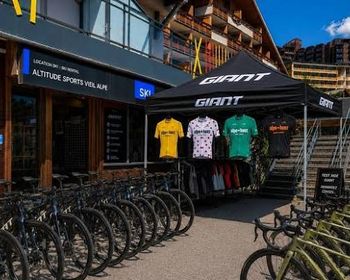
Giant
Altitude Sports
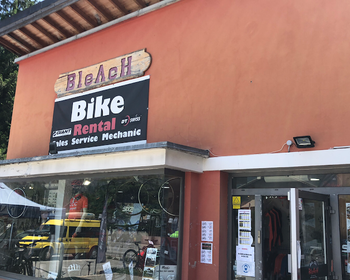
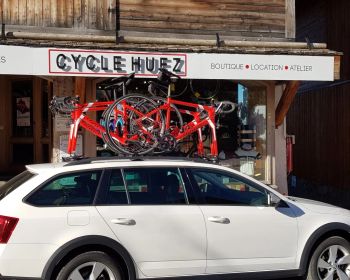
Their rental fleet features a range of Giant carbon road bikes. Options include comfortable endurance models for first-time mountain rides, as well as high-end performance bikes built for long climbs, demanding mountain routes, and serious days in the saddle.
Premium Brands Available
Preview Content
Unlock the full guide
Premium Brands Available
Preview Content
Unlock the full guide
Premium Brands Available
Preview Content
Unlock the full guide

Premium Brands Available
Preview Content
Unlock the full guide
Premium Brands Available
Preview Content
Unlock the full guide
Get full access to the Ride Atlas
Get the Alpe d'Huez Guide and 25 other destination guides for a one-time payment of just $34.95
Shops (3)
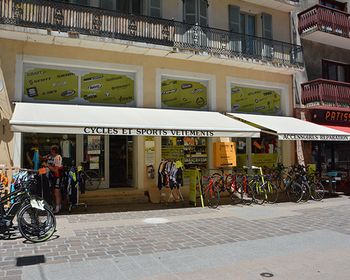
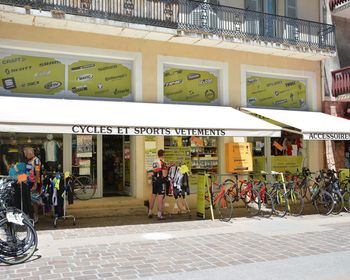
Cycles et Sports
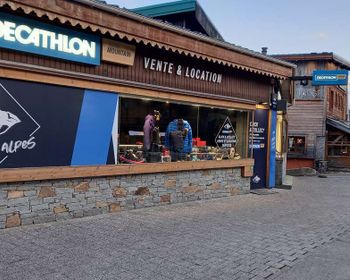
This accessories and spare parts shop is very well stocked. It carries many top-tier brands and caters to cyclists of all types. As their slogan says, they've been "the cycling boutique" since 2005.
Preview Content
Unlock the full guide
Preview Content
Unlock the full guide
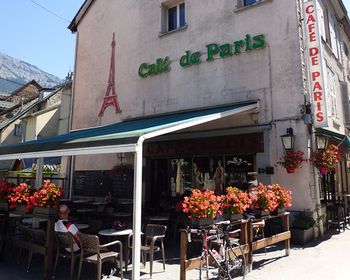
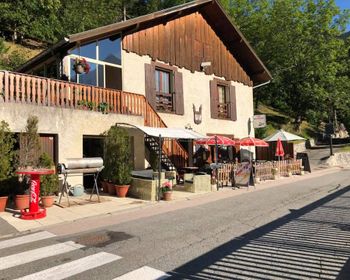
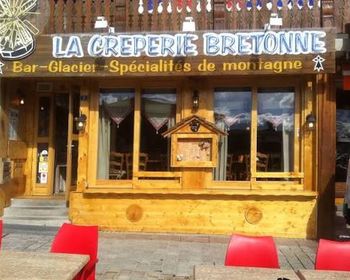
Cafes & bars (11)
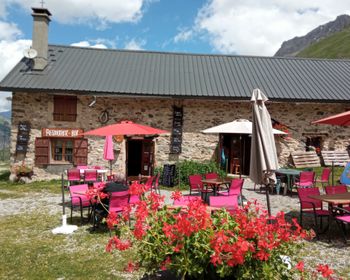
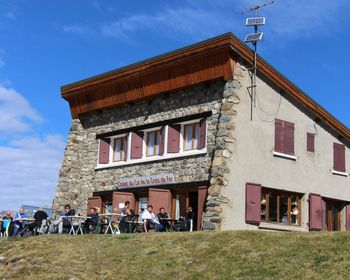
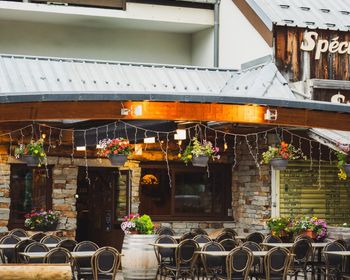
Auberge de Plan-Lachat
Sitting at 2,100 meters, this is the last place to eat before you push up to the Galibier summit. The building is a proper old stone hut, and looks a bit old fashioned. But don't be fooled by the looks, they offer some delicious meals to fuel your ride.
Preview Content
Unlock the full guide
Preview Content
Unlock the full guide
Preview Content
Unlock the full guide

Preview Content
Unlock the full guide

Get full access to the Ride Atlas
Get the Alpe d'Huez Guide and 25 other destination guides for a one-time payment of just $34.95
Popular Climbs (9)
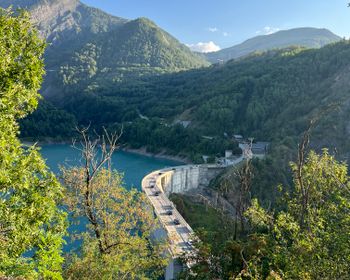
Preview Content
Unlock the full guide
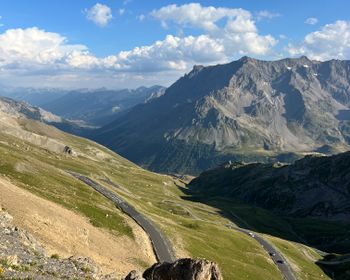
Preview Content
Unlock the full guide
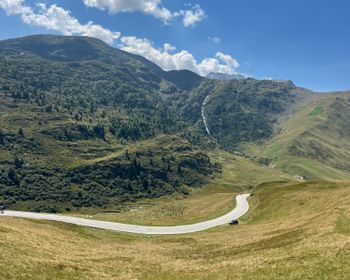
Preview Content
Unlock the full guide
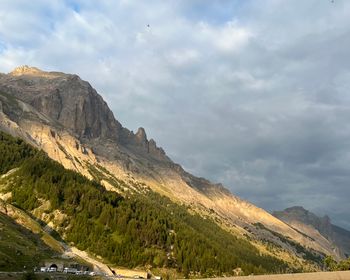
Road Cycling Routes (14)
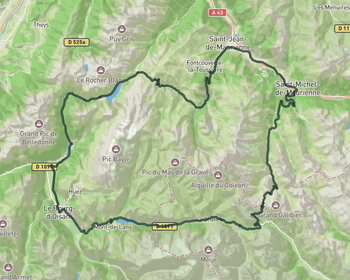
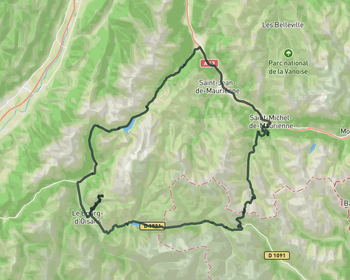
High mountain adventure
163.4 km • 4122 m • Epic
Two of the world's most famous climbs in one epic day. Taking this loop clockwise, you can ascend the Croix de Fer and the Galibier via their most famous sides. For many kilometers, you'll see references to the Tour de France, which has shaped its history in these mountains, on the asphalt.
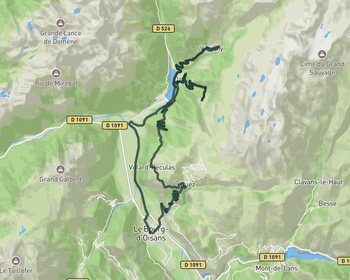
Marmotte Granfondo
189.9 km • 5082 m • Epic
The long route of one of the world's most famous Granfondos. For many amateurs, La Marmotte has become synonymous with beauty, hard work, and Tour de France climbs. After the Col du Glandon, the long Maurienne Valley leads to the entrance to the Galibier. The final effort of the day is the fearsome Alpe d'Huez. Although the Marmotte finishes at the top of Alpe d'Huez we included the descent back to town as well.
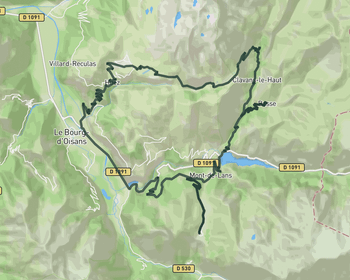
The last Confession
65.5 km • 1915 m • Hard
Three little-known but well-worth-trying climbs near Alpe d'Huez. The first two lead to the tourist villages of Oz-en-Oisans and Vaujany. The third climb, the Pas de la Confession, is an alternative and less busy route to the village of Huez. From here, you can always climb up to the famous Alpe d'Huez.
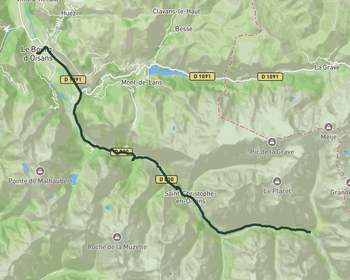
Loop du France
Unlock the full guide
Loop du France
Unlock the full guide
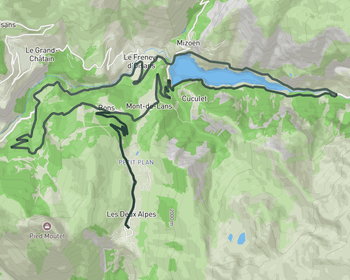
Loop du France
Unlock the full guide
Map of Alpe d'Huez - 41 pins
Create a free account
Sign up to start exploring select pins for free.
Already have an account? Log inCommunity Discussion
Join the conversation, ask a question or share insights about Alpe d'Huez.
No questions yet
Be the first to ask the community about cycling in Alpe d'Huez!
Reviews
Write a reviewNo reviews yet
Be the first to share your experience about riding in Alpe d'Huez!
Explore more destinations
Loading trips...
Select Day
Add "" to
Loading days...
Added successfully!