Alpe d'Huez
12.1 km
Length
1021 m
Elevation
8.4%
Gradient
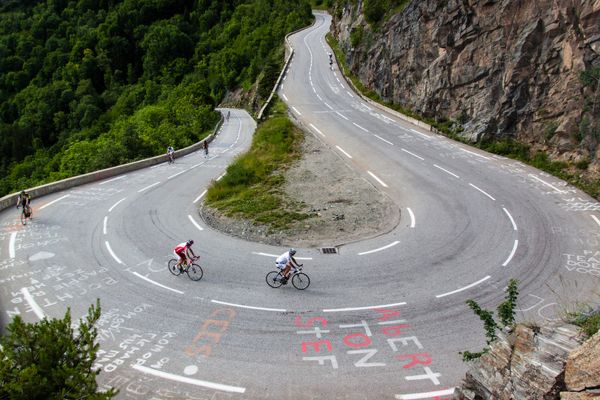
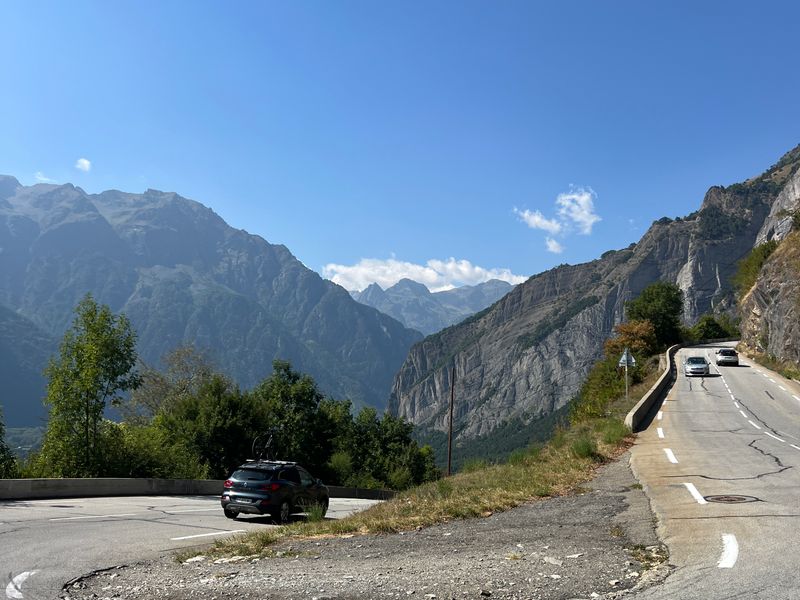
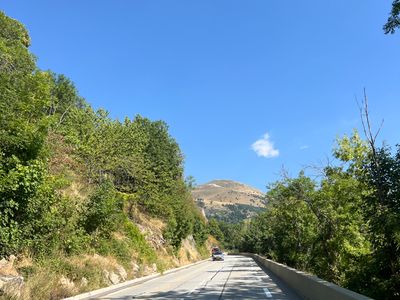
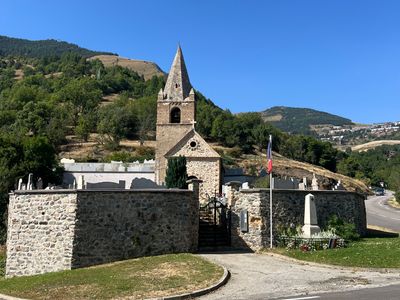
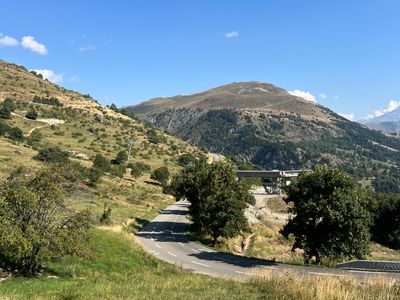
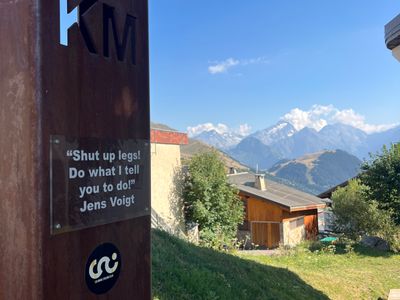
Perhaps the most famous climb in the Tour de France, Alpe d'Huez is one you must do at least once in your life. It's not particularly scenic, but its gradient and length make it a real challenge. Along the climb, there are monuments, signs, and cycling landmarks that will make you feel like a pro.
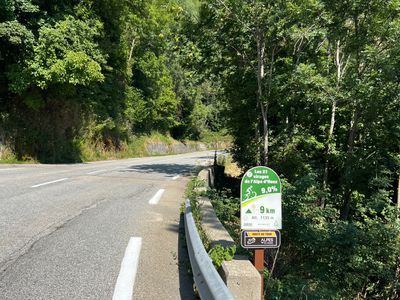
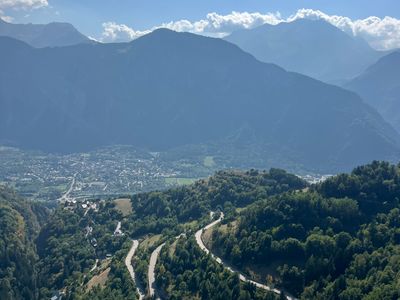
The 21 numbered hairpins count down from the bottom, each one named after a Tour de France stage winner, and that structure turns the whole climb into something you measure yourself against bend by bend. The lower slopes out of Bourg-d'Oisans are steep from the first pedal stroke, exposed to full sun, with traffic that can be heavy on summer weekends.
The gradient eases slightly through the middle hairpins, enough to let you find your legs, but it tightens again after the Dutch Corner at hairpin seven. Here the road kicks back up through the last few bends. By the time you reach the top, you're in the village of Alpe d'Huez itself rather than having an iconic mountain top.
Loading climb profile...
Error:
Photos

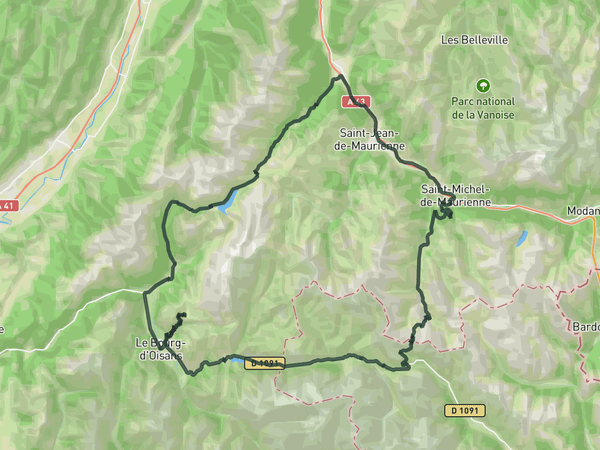
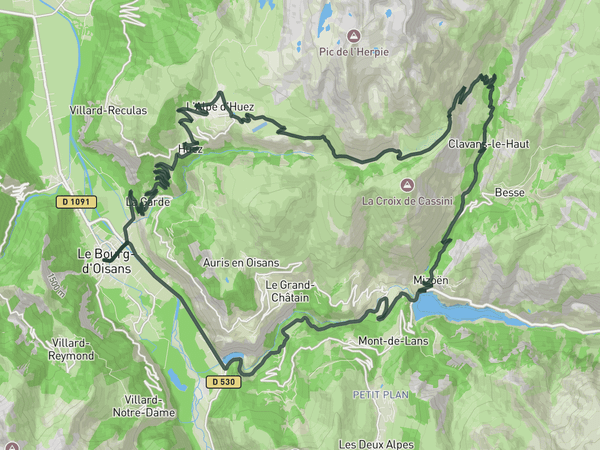
Cycling routes featuring Alpe d'Huez
This climb is part of these cycling routes. See all Alpe d'Huez cycling routes.
More cycling climbs in Alpe d'Huez
Best time to climb Alpe d'Huez
Jan
Feb
Mar
Apr
May
Jun
Jul
Aug
Sep
Oct
Nov
Dec
When is the best time to climb Alpe d'Huez?
The best time to climb Alpe d'Huez is May through September, when weather and road conditions are optimal for cycling in Alpe d'Huez. At this altitude, it's good to bring extra layers as weather conditions can change quickly and descents can get cold.
For more detailed information about weather and riding conditions, see the Alpe d'Huez cycling guide.
Plan Your Visit to Alpe d'Huez
Discover where to stay, climbs, routes, bike rentals, cafes, and everything you need to plan your cycling trip in the Alpe d'Huez Guide.