- Why February is Perfect for Warm-Weather Cycling
- Lanzarote: The Volcanic Wonderland
- Costa Blanca (Calpe): The Pro Team Favorite
- Tenerife: The High-Altitude Training Ground
- The Algarve: Europe's Sunny Southern Tip
- Gran Canaria: The Complete Winter Package
- Málaga: Andalusia's Hidden Gem
- Plan Your February Escape
Let's be honest: February is brutal for cyclists in northern Europe. Rain-soaked roads, freezing temperatures, and darkness that seems to last forever. Your bike gathers dust in the garage while you dream of sunshine and open roads. But here's the good news. While your friends are grinding away on indoor trainers, you could be clocking miles under blue skies in shorts and a jersey. February is actually one of the best months to ride in southern Europe and the Canarian islands.
Why February is Perfect for Warm-Weather Cycling
February sits in a sweet spot on the cycling calendar. Tourist season hasn't kicked off yet, so accommodation is affordable and roads are pleasantly empty. The weather in southern destinations is stable and predictable. You're looking at daytime temperatures between 17-22°C—perfect for riding without overheating. Rain is rare, and when it does show up, it's usually brief.
Lanzarote: The Volcanic Wonderland
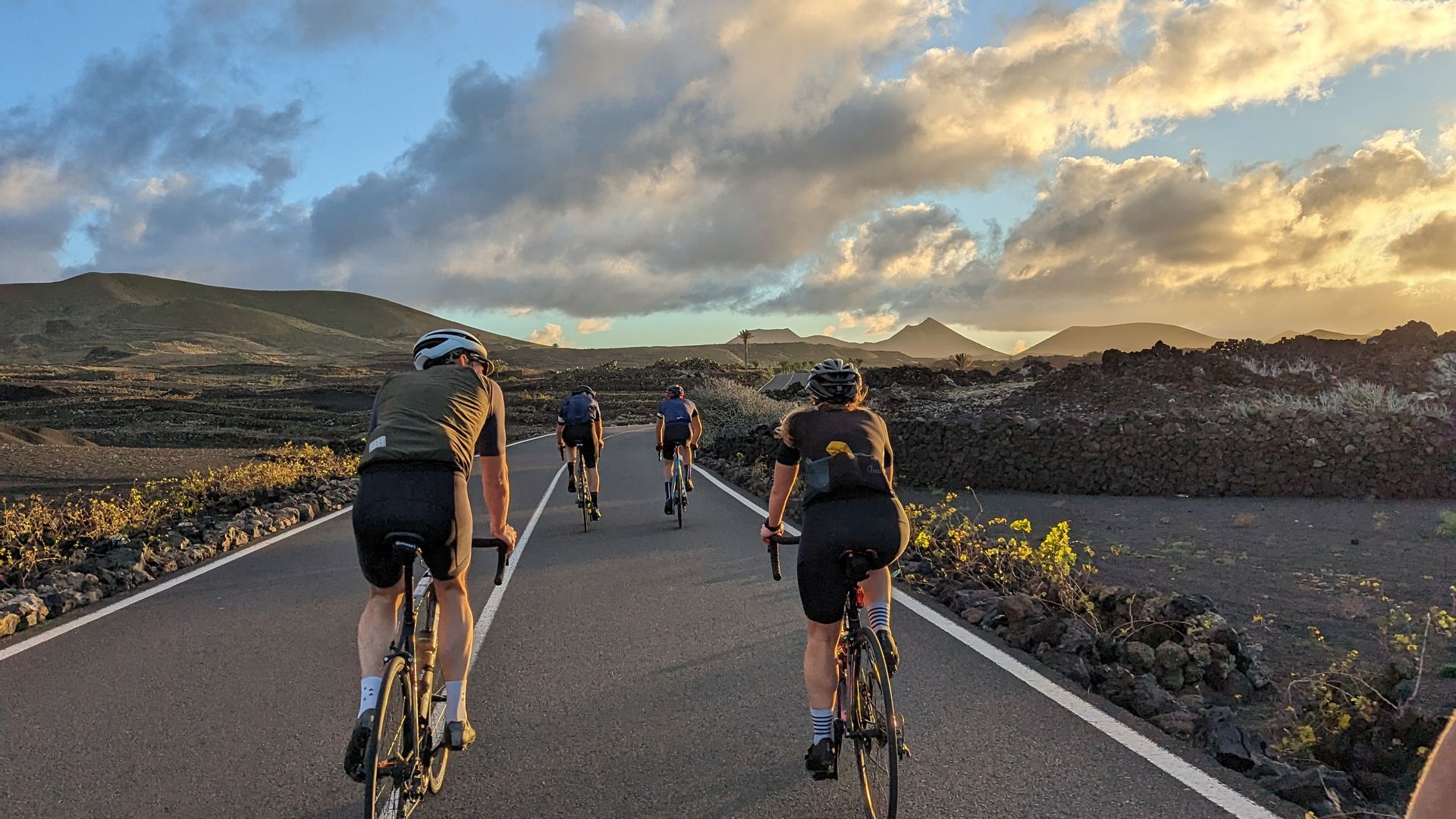
Lanzarote is February cycling perfection. This Canary Island looks like another planet. Black lava fields stretch to the horizon, dramatic cliffs drop into the deep blue Atlantic, and quiet ribbons of tarmac disappear into otherworldly scenery.
The riding variety is exceptional. Long, smooth coastal roads let you rack up steady miles with the Atlantic breeze at your side. Inland routes offer short, punchy volcanic climbs that test your legs and reward you with massive views.
The mix keeps every ride fresh and engaging. February is peak season here. The weather is mild and sunny, winds are softer than other months, and the roads stay dry. Rain is almost non-existent.
Costa Blanca (Calpe): The Pro Team Favorite
There's a reason WorldTour teams choose Costa Blanca for winter training camps. This Spanish coastal region delivers consistent sunshine, varied terrain, and exceptional infrastructure. The terrain suits every type of rider.
Flat coastal stretches are perfect for easy spins or zone 2 work. When you're ready to suffer, head inland to tackle legendary climbs like Coll de Rates, the most contest strava KOM amongst pro's
February temperatures hover around 17-19°C, mild enough for comfortable all-day rides but cool enough that you won't overheat on long climbs.
Bike-friendly cafés in nearly every village serve bocadillos, local pastries, and quality coffee. You can base yourself in Calpe, Dénia, or Parcent, all offering excellent cycling infrastructure and hotels that cater specifically to riders.
When you are looking for an (flatter) alternative on the Costa Blanca head south of Alicante. You can find all the details in the guide.
Tenerife: The High-Altitude Training Ground
Tenerife is a dream destination for serious road cyclists. This volcanic island rises steeply from the Atlantic Ocean, offering long, steady climbs and jaw-dropping views. The landscapes shift dramatically as you ride, from banana plantations along the coast to lunar-like lava fields high up on Mount Teide.
El Teide, the island's massive volcano at over 3,700 meters, is the star attraction. The climb to the Teide plateau is one of the longest and most consistent ascents in Europe, drawing pro teams like INEOS Grenadiers and Visma | Lease a Bike for high-altitude training camps.
This is not a beginner's playground. Tenerife is all about climbing. Most routes involve thousands of meters of elevation gain, and flat roads are almost non-existent. But the effort pays off in quiet roads, smooth tarmac, and some of the most rewarding views you'll ever see from a bike.
February weather at sea level is surprisingly pleasant, though you'll need layers for high-altitude riding where temperatures can drop significantly.
The Algarve: Europe's Sunny Southern Tip
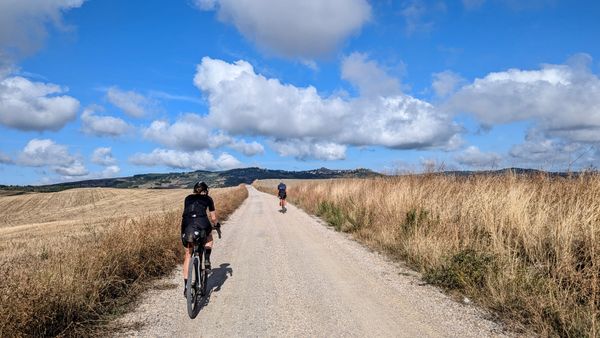
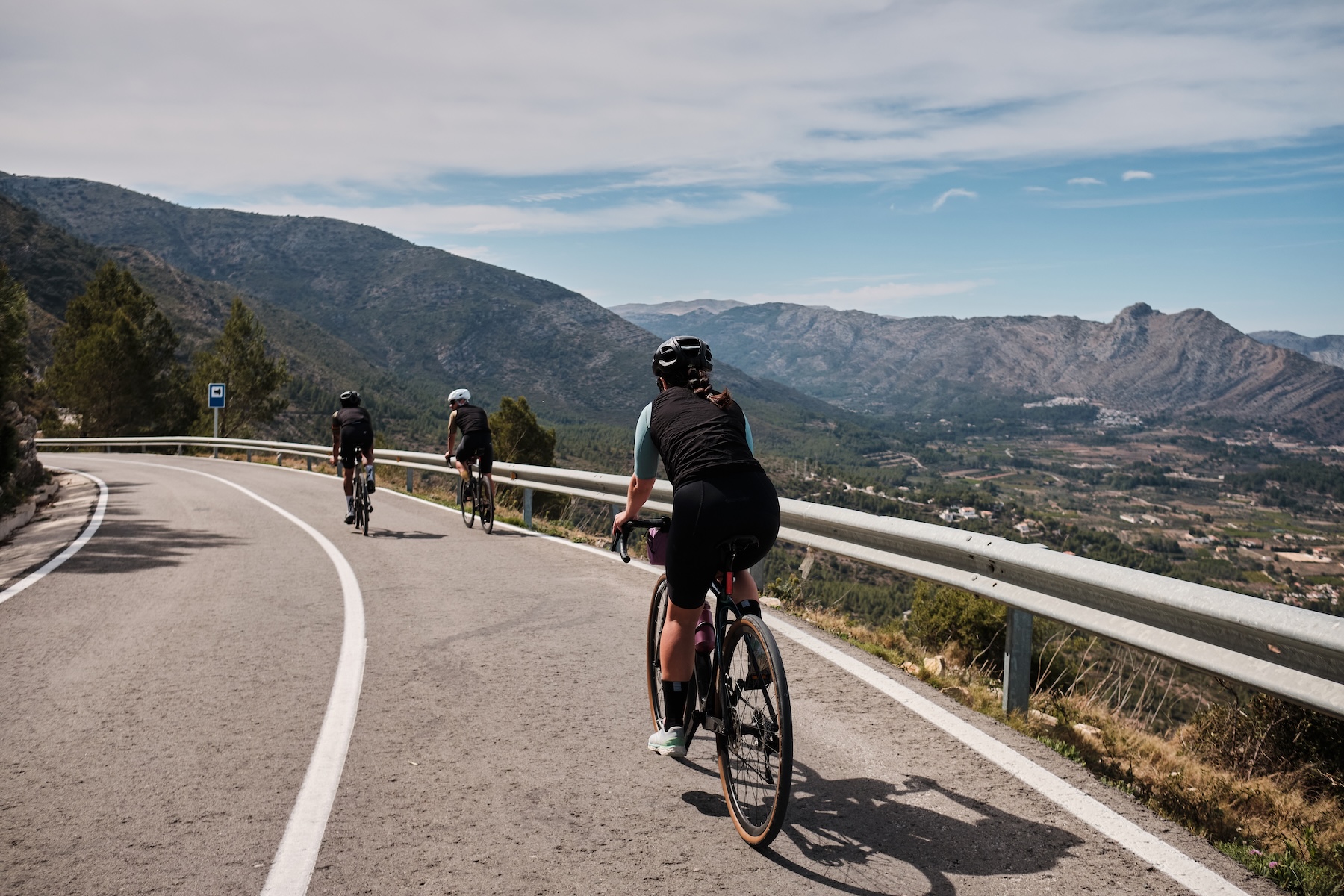
Portugal's Algarve offers remarkable variety. One day you're spinning along the coast, tracing golden beaches and fishing towns. The next, you're climbing into the Serra de Monchique or Serra do Caldeirão. Low mountains offering steady climbs, massive views, and roads with barely a car in sight.
February brings average temperatures of 17-19°C with plenty of sunshine and minimal rain. The Algarve has embraced cycling culture with cyclist-friendly cafés throughout the region. Stop for a coffee and pastel de nata or grab fresh seafood between rides.
Gran Canaria: The Complete Winter Package
Gran Canaria's landscape is bold and varied: high volcanic peaks, remote coastlines, and deep barrancos cutting through the island's interior. You can climb for over 40 kilometers to reach Pico de las Nieves, spin along coastal flats, or tackle steep ascents weaving through terraced hillsides.
February offers excellent conditions with mild temperatures and stable, dry weather. A sharp contrast to mainland Europe's cold and damp.
Málaga: Andalusia's Hidden Gem
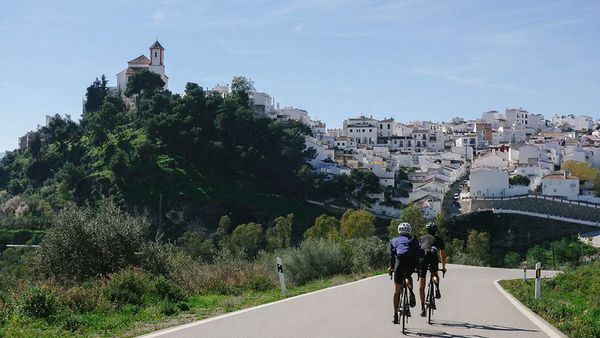
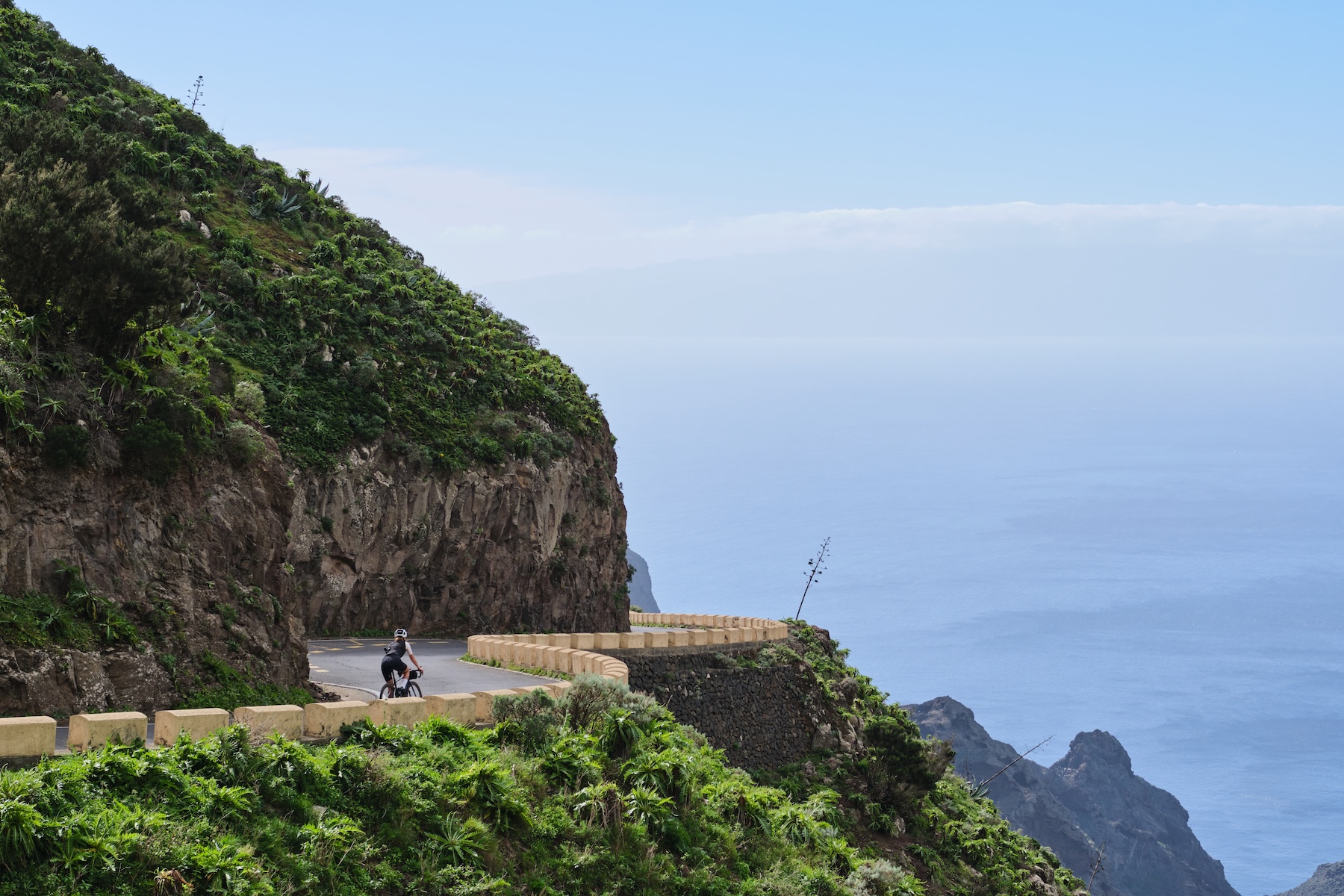
The province of Málaga is one of southern Europe's most varied places to ride, yet it flies under the radar. Between the Mediterranean coast and inland sierras, the landscape constantly shifts through rolling farmland, pine-covered climbs, and quiet white villages.
February brings warm but not hot conditions, with crisp mornings and clear skies. Natural parks like Montes de Málaga and Sierra de las Nieves offer everything from long steady climbs to punchy switchbacks.
The cycling scene is well-developed with rentals and repair shops across the region, plus easy connections through Málaga's international airport.
Plan Your February Escape
- Best for variety and wow-factor: Lanzarote's volcanic scenery is unforgettable with perfect February weather.
- Best for serious training: Costa Blanca and Tenerife offer the most complete packages with endless climb options.
- Best value: The Algarve and Málaga typically offer better accommodation deals with equally good riding.
Your February doesn't have to be cold and dark. The sun is shining somewhere, and these six destinations prove winter can be the best time to ride.