Planning a road cycling holiday yourself raises a lot of questions. Where should you go, and when? Where do you have to stay, and how do you find good roads in a place you've never ridden?
The answers to these questions depend on each other. Book a hotel before you know which valley has the climbs and routes and you'll spend part of your trip fixing the plan.
This is the process we follow for every destination guide on The Ride Atlas. Below are the six steps in the order that works well for us, with a full article behind each one and a note on where our Destination Guides help.
1. Choose the Right Destination
Pick a destination that matches how you like to ride, not how it looks on Instagram. Be honest about what you enjoy: long climbs or rolling roads, hard training or long café stops.
Want relaxed riding with scenery and coffee? Mallorca, Tuscany and the Algarve give you great days without 150km and 3,000m of climbing.
Chasing iconic climbs? The French Alps, the Pyrenees and the Dolomites have endless cols to tick off. Building fitness? Tenerife has almost no flat roads, so every ride is a climb or a descent.
Think about your days off the bike too. Andalusia gives you many cultural options on a rainy day. Calpe has world-class climbs but little to do besides the pool or the beach.
Traveling with riders of mixed ability? Mallorca and Girona work best, with easy and hard routes from the same base town.
On The Ride Atlas: Browse 26+ destinations across Europe and filter them by terrain, country and month.
Read more: How to Choose a Road Cycling Holiday Destination in Europe
2. Pick the Best Time to Go
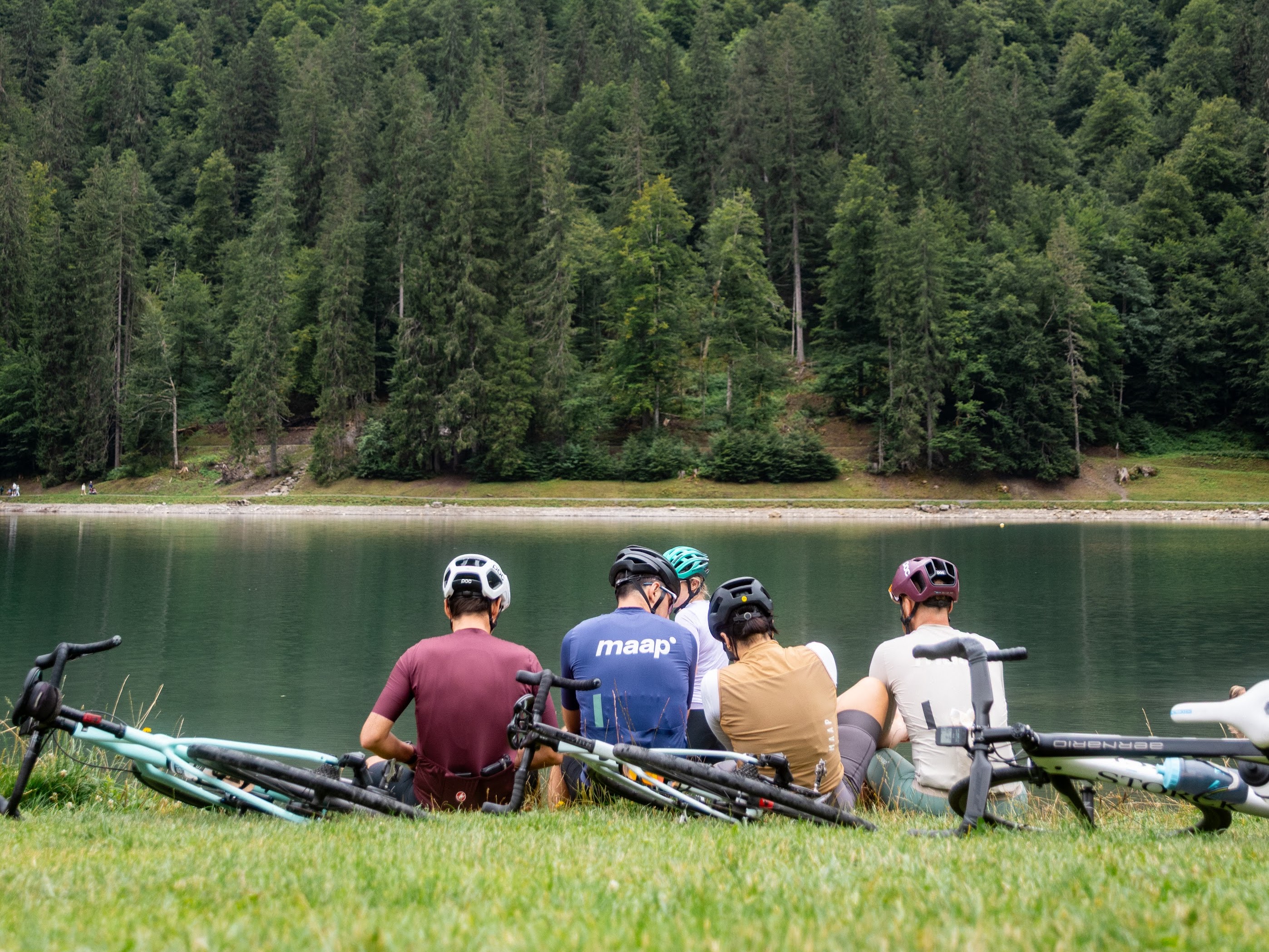
Tourist high season is often the worst time to ride. Most riders feel best between 17°C and 24°C, and above that you're managing heat instead of enjoying the ride.
For Mediterranean destinations, that means spring and autumn. Mallorca in August is hot and packed with rental cars, while March to May and September to October are perfect.
High mountains flip the script. Many Alpine and Pyrenean passes stay closed by snow until early June, so July and August are the best months. The Canary Islands work almost year-round, and most of Northern and Central Europe rides well from April to October.
On The Ride Atlas: We rate every month for every destination from 1 to 5. Already have your dates? Search the destinations page by month to see which places score a 4 or 5.
Read more: Best Time for a Cycling Holiday in Europe, by Region
3. Pick the Right Base Town
Where a regular tourist should stay and where a cyclist should stay are often completely different. Travel guides rank towns by beaches and nightlife, not by the roads and climbs you can reach by bike.
Around Malaga, most guides send you to the coast near Marbella. As a cyclist, you'd start every ride in coastal traffic before reaching the good roads.
Look for a base town with three or four varied routes, ideally in different directions. In the mountains, pick a town where two or three valleys meet, so you're not riding the same climb in and out every day.
Before you book, check for secure bike storage, restaurants within walking distance and a bike shop nearby. Decide early whether you need a car, because it changes which towns are worth considering.
On The Ride Atlas: Every destination guide names the best base towns for road cyclists and lists cyclist-friendly accommodations, with notes on bike storage that booking sites won't tell you.
Read more: Where to Stay on a Cycling Holiday: How to Pick a Base Town
4. Decide: Your Own Bike or a Rental
Traveling with your own bike adds cost and logistics. Riding a bike that fits you perfectly is hard to give up, though.
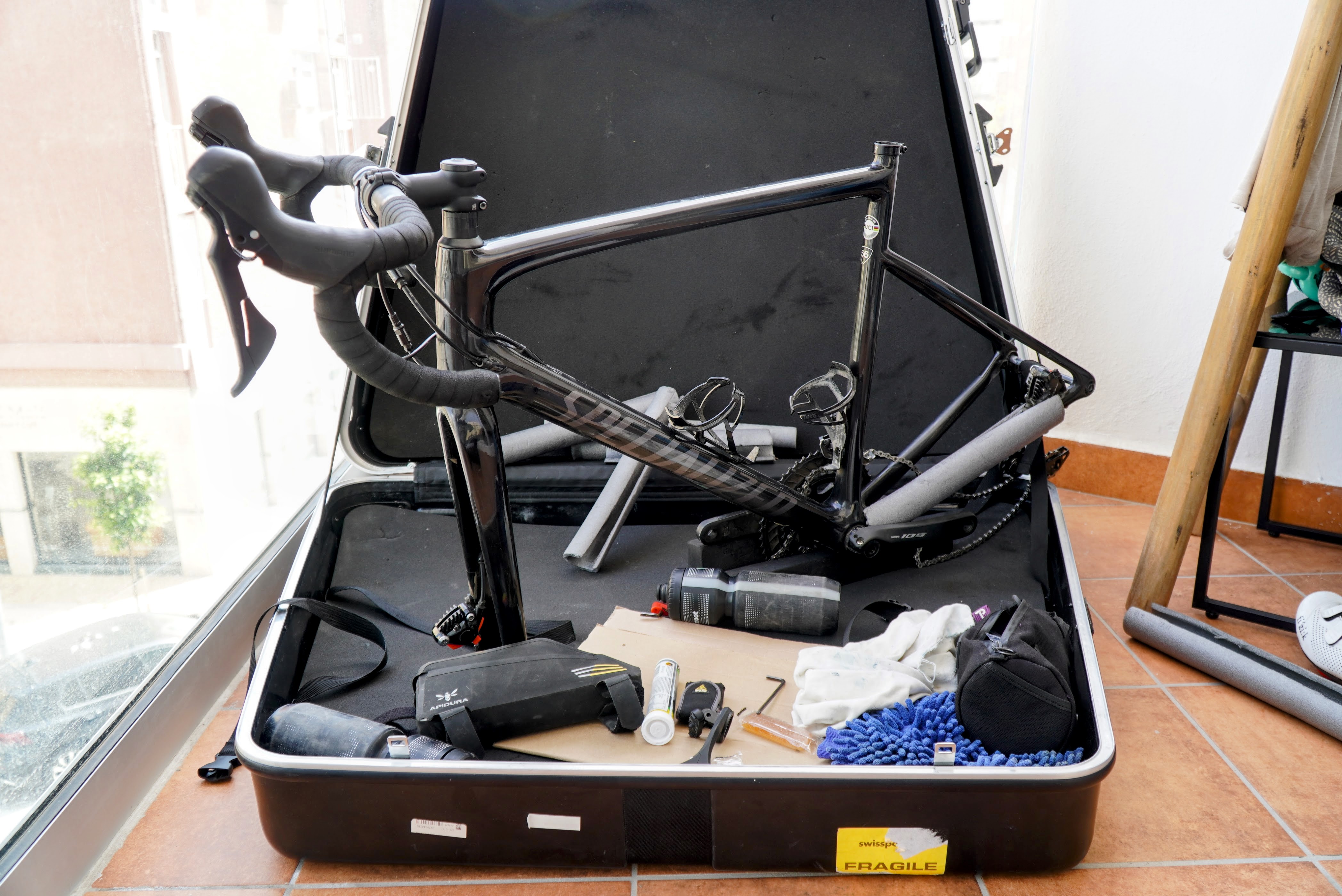
Bring your own if you're driving or taking the train, if you have a specific setup, or if your trip runs longer than about five days. Flying with it means a bike box, airline fees, bigger taxis and some reassembly skills.
Rent if you're flying for a short trip, want to travel light, or fancy trying a better bike than your own. Pack your own pedals, saddle and bike computer and a rental feels much closer to home.
On The Ride Atlas: Every destination guide lists the rental shops worth booking, the brands they stock, and the bike shops to visit when something breaks.
Read more: Bring Your Own Bike or Rent? How to Decide for a Cycling Trip
5. Ride Routes You Can Trust
Quality routes in an unfamiliar place come from riders who know the roads. A route planner's algorithm doesn't know which valley road fills with trucks or which lane has a broken surface, so auto-generated routes often send you onto busy main roads or some occasional gravel.
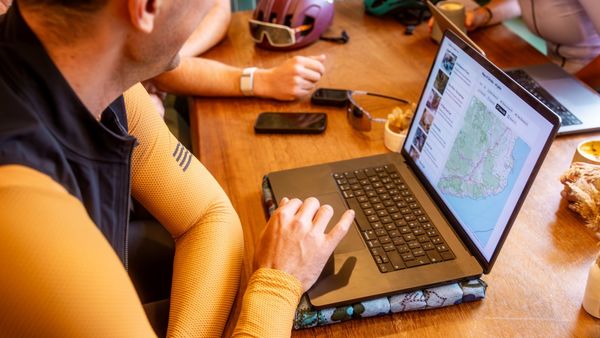
That's why every route in our destination guides is checked by riders who know the area. Each one shows the eleavtion profile, climbs and café stops along the way, and you can download it as a GPX file for your bike computer.
Want to build your own ride or tweak one of ours? Check every uncertain section on Google Street View for surface and traffic, and use Strava heatmaps (maps that show where local riders go most) to see which roads riders actually use.
On The Ride Atlas: Explore routes by destination, then add them to the Trip Planner with your accommodation and notes. Share the plan with one link, and your riding friends can view and download the routes.
Read more: How to Plan Road Cycling Routes in Places You've Never Been
6. Pack the Right Kit
Road cycling trips need specific gear you might not find at your destination. A Di2 charger or the right inner tube can be impossible to find in a quiet mountain village.
Start with the non-negotiables: puncture repair, a multi-tool, spare chain links and a derailleur hanger for your frame. Add chargers, nutrition you've tested, and layers for changing weather.
Check the forecast for the highest point of your ride, not just the coast or the valley. It can be 25°C at sea level on Tenerife and 8°C at the summit.
Read more: Cycling Holiday Packing List: Complete Road Bike Checklist
Your Planning Checklist
| Step | Decide | Where The Ride Atlas Helps |
|---|---|---|
| 1. Destination | Riding style, days available, who's coming | Destination filters by terrain, country and month |
| 2. Timing | Month, based on temperature, crowds and pass openings | 1-5 rating for every month |
| 3. Base town | Route access, bike storage, food, car or no car | Base towns and cyclist-friendly accommodations |
| 4. Bike | Bring or rent, and the full transport plan | Rental shops and bike shops per destination |
| 5. Routes | Loops, food stops, bailouts, weekly structure | Checked routes with GPX download and the Trip Planner |
| 6. Packing | Tools, spares, layers, chargers | Packing checklist |
Start With the Destination
You can work through every step yourself, and this guide shows you how. Or you can start from a destination guide that already covers the routes, climbs, base towns, accommodations, bike rentals and café stops for the region you want to ride.